Fire Prevention Month: Protecting Your Home From Fire
Written by Jessica Nancarrow
Summary
October is Fire Prevention Month, making it an ideal time for homeowners to look around their homes, identify potential fire hazards, and make sure their families are prepared for an emergency. For those of us living in Michigan’s Upper Peninsula, October also arrives just as furnaces, fireplaces, wood stoves, and space heaters begin seeing more frequent use.
A few simple precautions can make a meaningful difference. Testing smoke and carbon monoxide alarms, maintaining heating equipment, practicing an escape plan, paying attention in the kitchen, safely using electrical devices and batteries, and reviewing your homeowners insurance are all worthwhile steps.
Fire prevention isn’t about eliminating every possible risk. It’s about reducing the risks you can control and being prepared for the ones you can’t.
Key Takeaways
- Test smoke and carbon monoxide alarms and make sure they are installed in appropriate locations throughout your home.
- Have fireplaces, chimneys, wood stoves, furnaces, and other heating equipment properly maintained.
- Keep combustible materials away from space heaters and other heat sources.
- Never leave cooking, candles, or open flames unattended.
- Pay attention to electrical cords, outlets, power strips, chargers, and lithium-ion batteries.
- Create a home fire escape plan and practice it with everyone in the household.
- Consider the needs of children, older adults, pets, and anyone with mobility limitations when planning an evacuation.
- Keep a current home inventory to document your belongings.
- Review your homeowners insurance regularly so you understand your coverage before you ever need to make a claim.
October Is a Good Time to Think About Fire Safety
For many people in the Upper Peninsula, October means changing leaves, colder mornings, hunting season preparations, and the unmistakable feeling that winter isn’t very far away.
It also means we’re beginning to spend more time indoors.
Furnaces start running. Wood stoves are fired up. Fireplaces become part of the evening routine again. Portable heaters may come out of storage. We cook more meals indoors, plug in more devices, and eventually begin putting up holiday lights and decorations.
That makes Fire Prevention Month particularly timely for U.P. households.
Fire safety deserves attention throughout the year, but fall gives homeowners a natural opportunity to inspect their homes and correct hazards before the coldest months arrive.
The goal isn’t to make homeowners fearful of everything that could potentially cause a fire. Instead, it’s to develop good habits that reduce everyday risks and give everyone in the household a plan if something does go wrong.
Start With Your Smoke Alarms
One of the simplest fire-safety tasks is also one of the most important: make sure your smoke alarms work.
Smoke alarms should be located where they can provide early warning throughout the home, including sleeping areas and every level of the house. Homeowners should follow current safety recommendations and the manufacturer’s instructions regarding placement, testing, maintenance, and replacement.
Don’t assume an alarm is working simply because it hasn’t started chirping.
Test your alarms regularly.
This is also a good opportunity to look at the age of each unit. Smoke alarms don’t last forever. If you moved into your home several years ago and aren’t sure when the alarms were installed, take a moment to check.
Upper Peninsula homes can present some additional considerations. Many houses have basements containing furnaces, boilers, wood-burning equipment, electrical panels, workshops, or laundry areas. Others have attached garages or additions that have been built over the years.
Walk through the entire home rather than thinking only about bedrooms and hallways.
And don’t forget carbon monoxide alarms. Fuel-burning furnaces, boilers, fireplaces, wood stoves, generators, and other equipment can create carbon monoxide concerns in addition to fire hazards.
Heating Season Brings Additional Risks
Here in the U.P., heating isn’t optional.
When temperatures drop, our heating systems may operate for months at a time. Some households depend on traditional furnaces or boilers, while others supplement their primary heat with fireplaces, wood stoves, pellet stoves, or portable heaters.
Before heating season is fully underway, make sure your equipment is ready.
Furnaces, boilers, chimneys, fireplaces, wood stoves, and related equipment should be inspected and maintained as appropriate. Follow manufacturer recommendations and use qualified professionals when servicing equipment requires specialized knowledge.
For homeowners who heat with wood, good habits are especially important.
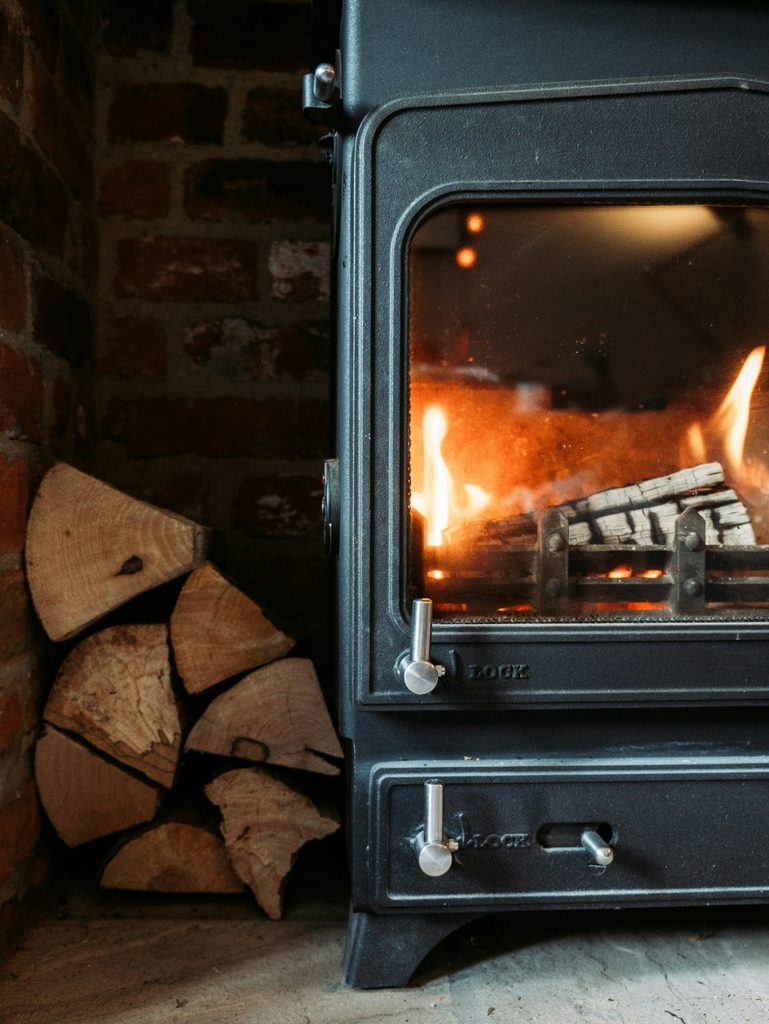
Keep combustible materials a safe distance from your stove or fireplace. Use an appropriate screen or door. Dispose of ashes carefully in a suitable metal container and keep that container away from combustible materials. Don’t assume ashes are completely cold simply because a fire hasn’t been burning recently.
Chimney maintenance matters, too. Creosote and other deposits can accumulate and create dangerous conditions, so chimneys and venting systems should be inspected and cleaned when necessary.
A little maintenance before winter is far easier than dealing with a fire during a January night when it’s below zero outside.
Be Careful With Space Heaters
Portable heaters can be convenient in drafty rooms, workshops, camps, garages, and older U.P. homes, but they need to be used carefully.
Keep heaters well away from anything that can burn, including blankets, furniture, clothing, curtains, paper, and other household materials. Place them on stable surfaces and follow the manufacturer’s directions.
Avoid creating situations where a heater can easily be knocked over by a child or pet.
Electrical demand matters as well. Portable heaters can draw significant power. Avoid unsafe extension-cord arrangements, overloaded outlets, or questionable power strips.
If an outlet, plug, or cord becomes unusually hot, damaged, discolored, or begins producing a burning smell, stop using it and have the situation evaluated.
Most importantly, don’t treat a portable heater as something you can simply turn on and forget about.
The Kitchen Deserves Your Attention
Many everyday fire hazards aren’t hidden in an attic, chimney, or electrical panel. They’re sitting right in the kitchen.
Cooking requires attention.
It’s easy to become distracted when you’re preparing dinner while answering the phone, helping children, checking something outside, or taking care of another household chore. But leaving cooking unattended can allow a small problem to become a serious emergency quickly.
Keep towels, oven mitts, paper products, packaging, and other combustible materials away from burners and hot surfaces.
Clean accumulated grease from cooking areas, and make sure everyone in the household understands basic kitchen fire safety.
It’s also important to have appropriate fire-extinguishing equipment available and to understand how to use it. However, don’t put yourself in danger attempting to fight a growing fire.
If a fire is spreading or you’re uncertain whether you can control it safely, get everyone out and call 911.
Possessions can be replaced. People can’t.
Pay Attention to Your Home’s Electrical System
Older homes are part of the character of many Upper Peninsula communities.
From century-old houses in mining towns to family homes that have been remodeled and expanded over several generations, the U.P. has plenty of properties where electrical systems have evolved over time.
That makes electrical awareness particularly important.
Look for warning signs such as frequently tripped breakers, flickering lights, loose outlets, damaged cords, unusual odors, buzzing sounds, or outlets and switches that feel unusually warm.
Extension cords shouldn’t become permanent wiring solutions.
Likewise, avoid overloading outlets and power strips with too many appliances or devices.
DIY electrical work can also create significant risks when it isn’t performed correctly. If you suspect there’s a problem with your home’s electrical system, have it evaluated by a qualified electrician.
Electrical issues aren’t always visible, so unexplained changes in your home’s electrical behavior shouldn’t be ignored.
Don’t Overlook Chargers and Lithium-Ion Batteries
Modern homes contain more rechargeable devices than ever.
Phones, tablets, laptops, cordless tools, e-bikes, recreational equipment, toys, and countless other products may use lithium-ion batteries.
These batteries are incredibly useful, but damaged, improperly charged, or defective batteries can create fire hazards.
Use chargers designed or approved for the device, follow manufacturer instructions, and avoid charging equipment in a way that traps heat. Don’t charge devices on beds, couches, or other soft combustible surfaces when the manufacturer advises against it.
Pay attention to warning signs such as swelling, unusual heat, strange odors, leaking, popping noises, or physical damage.
A battery that’s behaving abnormally shouldn’t simply be tossed into a household garbage can. Follow local requirements and manufacturer guidance for proper disposal or recycling.
Candles, Fireplaces, and Open Flames Need Respect
There’s something especially inviting about candles or a fireplace on a cold U.P. evening.
But an open flame should never become background scenery that everyone forgets about.
Keep candles away from curtains, decorations, books, blankets, and other combustible materials. Place them on stable surfaces where children and pets can’t knock them over.
Extinguish candles before leaving the room or going to bed.
The same principle applies to fireplaces. Don’t leave an active fire unattended, and make sure the area surrounding the fireplace remains clear.
Around the holidays, be especially mindful of decorations. Seasonal greenery, wrapping paper, cardboard boxes, lights, extension cords, candles, and additional electrical decorations can create a combination of hazards if they’re not managed carefully.
Create a Fire Escape Plan Before You Need One
Preventing a fire is the first goal.
Knowing what to do if one occurs is the second.
Every household should have a fire escape plan.
Walk through your home and identify possible exits. Ideally, household members should understand more than one way to escape from sleeping areas when possible.
Decide where everyone will meet outside.
The meeting location should be far enough from the house to be safe but easy for everyone to remember—a particular tree, mailbox area, detached structure, or another clearly identified location.
Once you’re outside, stay outside.
Don’t re-enter a burning home for belongings.
Your escape plan should also account for the realities of your household. Young children may need assistance. Older adults or people with mobility limitations may require additional planning. Pets can complicate evacuations as well.
Upper Peninsula winters add another factor. Escaping a house during a fire in February could mean stepping outside into deep snow and dangerously cold temperatures.
That doesn’t change the priority: get out immediately.
But it does make preparation important. Keep exits accessible and avoid allowing snow or ice to make secondary exits unusable. Make sure bedroom windows intended as escape routes can actually be opened.
Then practice the plan.
A plan everyone has practiced is much more useful than one that exists only in someone’s head.
Close Bedroom Doors at Night
One small habit worth considering is sleeping with bedroom doors closed.
A closed door can help slow the movement of smoke, heat, and flames, potentially giving occupants additional time to react and escape.
Families with children may need to change bedtime habits to make this routine feel normal. It can also be incorporated into your household fire plan.
Fire safety often comes down to these seemingly small habits: closing a door, testing an alarm, clearing an exit, moving a heater away from a blanket, or turning off an appliance.
Individually, none takes much effort.
Together, they can make a home considerably safer.
Make Sure Emergency Responders Can Find You
Living in the Upper Peninsula sometimes means living well outside town.
Homes and camps can be located down long driveways, private roads, seasonal roads, or rural routes where houses aren’t always visible from the main road.
Take a look at your address from the perspective of someone who has never visited your property.
Is the house number clearly visible?
Can it be seen at night?
Is your driveway reasonably accessible?
During winter, is snow blocking an address marker or narrowing access?
Minutes matter during a fire. Making your property easier for emergency responders to identify is a simple step that can help.
Your Home Inventory Matters More Than You Think
Fire prevention is about protecting people first.
But homeowners should also prepare financially for the possibility of a loss.
One valuable step is creating a home inventory.
Think about everything you own: furniture, clothing, electronics, appliances, tools, sporting equipment, hunting and fishing gear, jewelry, collectibles, kitchen items, and everything stored in your basement, garage, shed, or outbuilding.
Trying to remember all of those belongings after a traumatic event can be incredibly difficult.
A home inventory doesn’t need to be complicated.
Walk through your home and take photos or video. Open closets, cabinets, and drawers. Record higher-value items separately and save receipts, serial numbers, model information, or appraisals when appropriate.
Most importantly, keep a copy somewhere that won’t be destroyed along with the home. Secure digital storage can make the inventory accessible even if your computer or paperwork is lost.
Update it periodically, particularly after major purchases.
Where Homeowners Insurance Comes In
Fire prevention and homeowners insurance serve different purposes, but they work toward the same larger goal: protecting your household from a potentially devastating loss.
Insurance can’t prevent a fire.
What it can do is provide financial protection when a covered fire causes damage.
Depending on the policy and circumstances, homeowners insurance may provide coverage related to the dwelling, other structures, personal belongings, debris removal, liability, and additional living expenses when a covered loss makes a home temporarily uninhabitable.
But coverage varies by policy.
That’s why homeowners should understand their insurance before a loss happens rather than discovering the details afterward.
One important question is whether your dwelling coverage reflects today’s approximate cost to rebuild your home—not simply its real estate market value.
Those are two different things.
Construction materials, labor, specialized contractors, transportation costs, building requirements, and the characteristics of your individual property can all influence rebuilding costs. In rural parts of the Upper Peninsula, contractor availability and distance can add additional considerations after a widespread storm or major loss.
Your insurance professional can help review the information used to calculate your dwelling coverage and discuss available coverage options.
Don’t Forget Garages, Sheds, Workshops, and Other Structures
For many U.P. homeowners, the house is only part of the property.
There may be a detached garage, pole building, workshop, shed, sauna, or other structure. These spaces can contain tools, fuel, recreational equipment, battery chargers, heating equipment, and other potential fire hazards.
Apply the same fire-prevention mindset to these areas.
Keep flammable materials properly stored. Maintain heating equipment. Avoid overloaded electrical systems and questionable extension-cord arrangements. Be cautious when charging batteries for tools, lawn equipment, snowblowers, recreational vehicles, and other equipment.
From an insurance perspective, it’s also worth discussing significant detached structures and their contents with your agent.
Don’t automatically assume every structure or every piece of property stored inside it is covered exactly the way you expect.
Fire Prevention Month Is Also a Good Time for an Insurance Review
We regularly change our homes without thinking about how those changes may affect insurance.
Maybe you’ve finished a basement.
Installed a wood stove.
Built a pole barn.
Added a deck.
Remodeled the kitchen.
Purchased expensive equipment.
Started using part of the home for business.
Added a generator.
Bought recreational vehicles.
Or made other significant improvements.
Those are all good reasons to talk with your insurance agent.
An annual insurance review gives you an opportunity to make sure the information associated with your policy still reflects your home and your circumstances.
It’s also your chance to ask questions.
What is my deductible?
How is my dwelling limit determined?
How are my belongings covered?
Do certain valuable items have special limits?
What happens if I can’t live in my house after a covered fire?
Are my detached structures properly accounted for?
Are there coverage options I should consider?
Insurance is much easier to understand when you’re discussing it calmly at a desk than when you’re standing outside a damaged home after an emergency.
Make October Your Reminder to Take Action
Fire Prevention Month doesn’t need to mean completing a massive home-safety project.
Start with a walkthrough.
Test the alarms. Look at the furnace. Check the chimney. Inspect extension cords. Clear clutter away from heat sources. Talk to your kids about what the smoke alarm means. Pick an outdoor meeting place. Make sure windows open. Check your house number from the road. Take a video inventory of your belongings.
Then take one more step: review your homeowners insurance.
Living in the UP means preparing for plenty of things we can’t control—from heavy snow and ice to windstorms and long stretches of bitter cold. Fire safety is one area where relatively small actions can reduce risk and help your family be better prepared.
Your home is more than a building. It’s where your family gathers, where memories are made, and where much of what you’ve worked for is kept.
This Fire Prevention Month, give yourself a little extra peace of mind by making fire safety part of your fall routine.
And while you’re checking alarms, heating equipment, and escape routes, consider checking your insurance coverage, too. Contact our insurance agency to schedule a homeowners insurance review, ask questions about your current protection, or request a personalized quote. We’re here to help Upper Peninsula families understand their coverage and make informed decisions about protecting the places they call home.