Winter Is Coming: 10 Essential Home Maintenance Tasks to Tackle in October
Written by Jessica Nancarrow
October is one of the most important months for homeowners in Michigan’s Upper Peninsula to prepare for winter. While the leaves are changing colors and the temperatures are cooling, it’s the perfect opportunity to tackle home maintenance projects before the snow starts piling up. A little preparation now can help prevent costly damage, reduce heating expenses, and protect your home throughout the long winter months.
From frozen pipes and ice dams to heating system failures and heavy snow accumulation, U.P. winters can put a home to the test. Taking a proactive approach in October can make all the difference when winter weather arrives.
Key Takeaways
- October is the ideal time to prepare your home for the harsh winter conditions common throughout Michigan’s Upper Peninsula.
- Inspecting your roof, gutters, heating system, and plumbing can help prevent expensive winter damage.
- Sealing drafts and improving insulation can make your home more comfortable while reducing heating costs.
- Preparing for snow, ice, and power outages is especially important for homeowners in rural communities.
- Reviewing your homeowners insurance before winter can help you understand what is covered and identify potential gaps in protection.
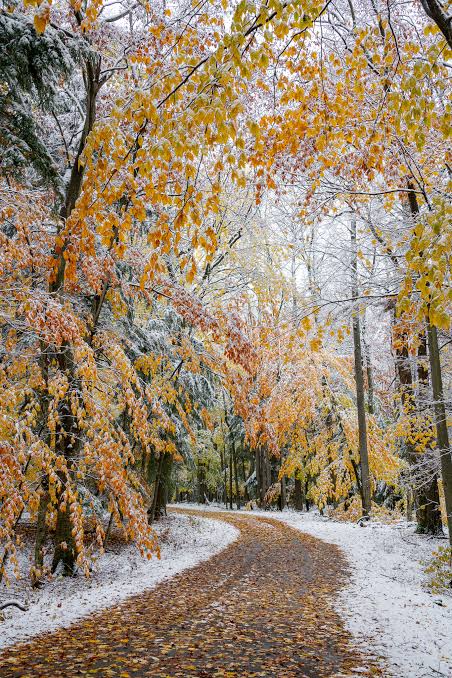
Why October Is the Best Time to Prepare for Winter in the Upper Peninsula
If you’ve lived in Michigan’s Upper Peninsula for any length of time, you know that winter doesn’t always wait until December.
In communities like Marquette, Negaunee, Ishpeming, Escanaba, Houghton, and Iron Mountain, freezing temperatures can arrive while homeowners are still finishing their fall yard work. In some areas, particularly those affected by lake-effect snow, winter conditions can develop quickly.
October offers a valuable window of opportunity to get ahead of these challenges.
The weather is often still manageable enough to work outdoors, contractors may have more scheduling flexibility than during winter emergencies, and homeowners have time to address potential problems before they become expensive repairs.
Whether you own a historic home in town, a newer house in a subdivision, or a rural property surrounded by woods, preparing for winter should be an annual priority.
Here are ten essential home maintenance tasks every Upper Peninsula homeowner should consider completing in October.
1. Inspect Your Roof Before the Snow Arrives
Your roof is your home’s first line of defense against winter weather.
Heavy snowfall, freezing rain, strong winds, and repeated freeze-thaw cycles can place considerable stress on roofing materials. Small issues that seem insignificant in October can become serious problems by January.
Before winter arrives, take time to inspect your roof from the ground or arrange for a qualified roofing professional to evaluate its condition.
Look for warning signs such as:
- Missing, cracked, or curling shingles
- Loose or damaged flashing around chimneys and vents
- Sagging roof sections
- Signs of moisture or water stains in the attic
- Damaged or disconnected gutters
One concern for Upper Peninsula homeowners is the formation of ice dams.
Ice dams occur when snow melts on warmer portions of a roof and refreezes near the colder edges. This buildup can prevent melting snow from draining properly, potentially allowing water to work its way beneath roofing materials.
Proper attic insulation, ventilation, and air sealing can help reduce the conditions that contribute to ice dams.
Insurance insight: Homeowners insurance may cover certain types of sudden and accidental damage caused by winter weather, but coverage depends on your policy and the circumstances of the loss. Damage resulting from ongoing neglect, deterioration, or excluded conditions may not be covered.
Taking care of roof maintenance in October can help protect both your home and your finances.
2. Clean Your Gutters and Downspouts
Fall leaves may look beautiful, but they can create serious problems when they collect in your gutters.
Throughout the Upper Peninsula, homes surrounded by maple, oak, birch, and other trees can accumulate significant amounts of leaves and debris during autumn.
When gutters become clogged, rainwater and melting snow cannot drain properly.
As temperatures drop, trapped water can freeze, creating additional weight and contributing to ice buildup.
Clogged gutters can also allow water to overflow near your foundation, potentially causing basement moisture problems.
October is an excellent time to:
- Remove leaves, twigs, and debris from gutters.
- Check that downspouts are securely attached.
- Make sure water drains away from the foundation.
- Inspect gutters for sagging, leaks, or loose fasteners.
- Schedule a final cleaning after most leaves have fallen.
If your home is surrounded by trees, gutter guards may help reduce debris accumulation, although periodic inspections and cleaning are still necessary.
For homeowners who are uncomfortable working on ladders, hiring a professional is a safer option.
A simple gutter cleaning can help prevent much larger problems during winter.
3. Schedule Your Furnace or Heating System Inspection
When temperatures dip below freezing, your heating system becomes one of the most important components of your home.
The last thing any homeowner wants is to discover that their furnace isn’t working during a January cold snap.
October is an ideal time to schedule a professional heating system inspection.
A qualified technician can check important components, identify potential safety concerns, and make sure the system is operating efficiently.
Homeowners should also:
- Replace or clean furnace filters according to manufacturer recommendations.
- Keep heating vents and registers unobstructed.
- Check thermostat operation.
- Inspect accessible heating system areas for unusual sounds or leaks.
- Make sure furnace exhaust and intake openings remain clear of snow and ice.
Many Upper Peninsula households also rely on wood stoves, pellet stoves, boilers, or supplemental heating systems.
Each heating source has its own maintenance and safety requirements.
If you use a wood-burning stove or fireplace, make sure it is inspected and cleaned as needed before regular winter use.
Insurance insight: A properly maintained heating system can help reduce the likelihood of fire, frozen pipes, and other winter-related losses. Some insurance companies may also have specific underwriting requirements related to wood-burning appliances or alternative heating systems.
If you’ve recently installed or changed your primary or supplemental heating source, it’s a good idea to notify your insurance agent.
4. Protect Your Plumbing From Frozen Pipes
Frozen pipes are one of the most frustrating winter problems homeowners can experience.
When water freezes inside a pipe, the expanding ice can create pressure that causes the pipe to rupture.
The resulting water damage can affect flooring, drywall, furniture, electrical systems, and personal belongings.
In the Upper Peninsula, extended periods of freezing temperatures make pipe protection especially important.
Start by identifying plumbing located in vulnerable areas, including:
- Unheated basements and crawl spaces
- Garages
- Exterior walls
- Unheated utility rooms
- Seasonal cabins and vacant properties
Insulating exposed pipes can help reduce freezing risks, although insulation alone may not be enough in extremely cold areas.
Before freezing weather arrives, disconnect garden hoses and drain outdoor faucets according to their design. Shut off and drain exterior water lines when appropriate.
If you have a seasonal property that will remain unoccupied, consider having it professionally winterized.
During severe cold, maintaining adequate indoor heat and allowing warm air to circulate around plumbing can help protect vulnerable pipes.
It’s also important to know where your home’s main water shutoff valve is located.
If a pipe bursts, shutting off the water quickly can significantly reduce the damage.
Insurance insight: Many homeowners policies provide coverage for sudden and accidental water damage from burst pipes, subject to policy terms. However, special conditions may apply when a home is vacant, unoccupied, or not adequately heated.
Homeowners with seasonal cabins or properties that sit empty for extended periods should review these requirements carefully.
5. Seal Windows, Doors, and Other Drafty Areas
Heating a home through a long Upper Peninsula winter can be expensive.
If cold air is entering through gaps around windows, doors, or other openings, your heating system may have to work harder to maintain a comfortable temperature.
October is a great time to identify and address these drafts.
On a cool, windy day, walk through your home and check for noticeable air movement around windows and exterior doors.
Common problem areas include:
- Worn weatherstripping
- Gaps around window frames
- Door thresholds
- Attic access panels
- Openings around plumbing and electrical penetrations
Replacing weatherstripping and applying appropriate caulk or sealant can help reduce unwanted airflow.
Adding insulation to poorly insulated areas may provide additional benefits.
Attic insulation and air sealing deserve particular attention because warm air escaping into the attic can contribute to roof snowmelt and ice dam formation.
If you’re unsure where your home is losing heat, a professional home energy assessment can help identify problem areas.
These improvements can increase comfort, reduce heating costs, and help your home maintain more consistent temperatures during cold weather.
6. Prepare Your Yard and Outdoor Equipment
Winter preparation doesn’t stop at your front door.
Your yard, driveway, trees, and outdoor equipment all deserve attention before snowfall begins.
Start by putting away seasonal items that could be damaged by winter weather.
Patio furniture, grills, decorations, and gardening equipment should be cleaned, secured, or stored according to manufacturer recommendations.
Drain and properly store garden hoses.
Inspect trees near your home, garage, and driveway for dead or damaged branches that could fall under the weight of snow or ice.
If large limbs appear hazardous, consider hiring a qualified tree professional rather than attempting dangerous trimming yourself.
October is also a good time to prepare snow removal equipment.
Check your snowblower, replace worn parts, and make sure you have appropriate fuel and supplies stored safely.
If you rely on a snowplowing contractor, arrange service before the first major snowfall.
Rural homeowners should pay particular attention to long driveways and access roads.
Emergency vehicles, heating fuel delivery trucks, and utility crews may need reliable access during winter.
Taking care of these outdoor responsibilities now can make winter property maintenance much easier.
7. Inspect Your Chimney, Fireplace, and Wood Stove
For many Upper Peninsula families, there’s nothing quite like the warmth of a wood stove or fireplace on a cold winter evening.
However, wood-burning appliances require proper maintenance.
Creosote, a combustible byproduct of wood burning, can accumulate inside chimneys and increase the risk of chimney fires.
Before using your fireplace or wood stove regularly, schedule an inspection and cleaning as appropriate with a qualified professional.
During the inspection, potential concerns may include:
- Creosote buildup
- Damaged chimney liners
- Blocked flues
- Cracked masonry
- Improper ventilation
- Deteriorated stovepipes or connections
Homeowners should also keep combustible materials a safe distance from heating appliances and use properly seasoned firewood.
Never use gasoline or other inappropriate accelerants to start a fire.
Make sure ashes are completely cooled and stored in a covered metal container placed away from buildings and combustible materials.
Insurance insight: Wood stoves and other solid-fuel heating systems can affect homeowners insurance eligibility, pricing, and underwriting requirements.
If you have installed a new wood stove, modified an existing system, or changed how you heat your home, contact your insurance agency to discuss the change.
8. Test Smoke Detectors and Carbon Monoxide Alarms
As heating systems begin operating more frequently, October is an excellent time to review home fire and carbon monoxide safety.
Carbon monoxide is a colorless, odorless gas that can be produced by fuel-burning appliances, generators, and vehicles.
A malfunctioning heating system or blocked exhaust vent can create dangerous conditions.
Homeowners should make sure working smoke alarms and carbon monoxide alarms are installed in appropriate locations throughout the home.
Follow manufacturer instructions and applicable safety recommendations for alarm placement, testing, battery replacement, and replacement of expired units.
In addition to testing alarms, October is a good time to:
- Review your family’s fire escape plan.
- Check the condition of household fire extinguishers.
- Make sure bedroom windows and exits can open.
- Keep heating equipment clear of combustible materials.
- Confirm that everyone knows what to do if an alarm sounds.
Families with children should practice an emergency escape plan together.
For homeowners in rural areas, where emergency response times may be longer, early warning and preparation are especially valuable.
These simple safety measures can help protect the people who matter most.
9. Prepare for Snow, Ice, and Winter Power Outages
UP residents know that winter storms can disrupt daily routines.
Heavy snow, strong winds, and ice can make travel difficult, interrupt electrical service, and limit access to essential supplies.
October is the right time to develop or update your household winter emergency plan.
Start by gathering basic supplies, including flashlights, extra batteries, bottled water, nonperishable food, blankets, and a first-aid kit.
Keep important medications and necessary medical supplies accessible.
If your household relies on electricity for well water, medical equipment, or primary heating, consider what you would do during an extended outage.
Portable generators can be helpful, but they must be used safely.
Never operate a portable generator inside a home, garage, basement, or other enclosed or partially enclosed area. Follow manufacturer instructions for outdoor placement, ventilation, and electrical connections.
A qualified electrician can help determine whether a transfer switch or other approved connection is appropriate.
Homeowners should also inspect walkways, stairs, and outdoor lighting before winter.
Uneven steps, loose handrails, and poorly lit entrances can become particularly hazardous when covered with snow or ice.
Stock up on traction materials and make sure snow shovels are in good condition.
For households with elderly family members, young children, or limited mobility, creating a dependable snow removal plan can be especially important.
Insurance insight: Snow- and ice-related injuries on your property may raise personal liability concerns. Homeowners liability coverage may provide protection for certain covered claims, subject to policy conditions and limits.
Keeping walkways maintained and addressing known hazards can help reduce the likelihood of accidents.
10. Review Your Homeowners Insurance Before Winter
Preparing your home physically is important, but preparing financially is just as valuable.
October is a smart time to review your homeowners insurance policy and make sure you understand your coverage before winter weather arrives.
Many homeowners don’t think about their insurance until something goes wrong.
Unfortunately, discovering a coverage limitation after a loss can create unnecessary stress.
Consider discussing the following questions with your insurance agent.
Is your dwelling coverage sufficient?
Construction materials, labor, and rebuilding expenses can change over time.
Your dwelling coverage should reflect an appropriate estimated cost to rebuild your home, rather than simply its market value.
Do you understand your deductible?
Knowing how much you would be responsible for paying after a covered loss can help you prepare financially.
Some policies may have special deductibles for certain types of losses.
What types of winter damage are covered?
Homeowners insurance commonly provides protection for certain sudden and accidental losses, but coverage varies.
Ask about situations involving:
- Damage caused by the weight of snow or ice
- Frozen or burst plumbing
- Ice dam-related water damage
- Wind damage to roofing or siding
- Fallen trees and resulting property damage
- Additional living expenses if a covered loss makes your home uninhabitable
Not every winter-related problem is automatically covered.
Policy exclusions, maintenance requirements, and specific circumstances all matter.
Have you made improvements or changes to your home?
If you’ve installed a new roof, remodeled your kitchen, finished your basement, or added a wood-burning appliance, your insurance needs may have changed.
Your agent can help determine whether your coverage should be updated.
Do you own a seasonal or vacant property?
Seasonal cabins and homes that remain unoccupied during winter may require special attention.
Some insurance policies include vacancy or occupancy conditions that can affect coverage.
If you own a cabin near a lake, a hunting property, or a second home that sits empty during the colder months, discuss your situation with your insurance agency.
A brief insurance review now can help you head into winter with a clearer understanding of your protection.
Your October Home Winterization Checklist
Use this checklist to keep your preparations organized before the first major snowfall.
Home winterization progress
0 of 10 completeInspect the roof and check for damaged shinglesClean gutters and downspoutsSchedule furnace or heating system maintenanceInsulate vulnerable pipes and disconnect garden hosesSeal drafts around windows and doorsTrim hazardous tree branches and store outdoor furnitureInspect and clean the chimney or wood stoveTest smoke and carbon monoxide alarmsPrepare snow removal equipment and emergency suppliesReview homeowners insurance coverage
Reset Copy checklist
Small Steps in October Can Prevent Big Problems in January
Winter is part of life in Michigan’s Upper Peninsula, and most residents wouldn’t have it any other way.
From snow-covered neighborhoods and frozen lakes to cozy evenings spent indoors, the season brings plenty to appreciate.
But enjoying winter is much easier when you know your home is prepared for whatever Mother Nature has in store.
Taking time in October to inspect your roof, maintain your heating system, protect your plumbing, and prepare for winter storms can help reduce the likelihood of costly surprises.
These projects don’t all have to be completed in a single weekend.
Start with the most important safety and maintenance concerns, create a checklist, and work through the remaining tasks before severe weather arrives.
Even small improvements can make a meaningful difference in protecting your property and keeping your family comfortable.
Protect Your Home and Your Peace of Mind This Winter
Your home is more than just a building. It’s where your family gathers, where memories are made, and where you count on being safe and comfortable during our long Upper Peninsula winters.
As you work through your October winter preparation checklist, don’t forget to make sure your homeowners insurance is ready for the season, too.
Whether you have questions about frozen pipe coverage, ice dam damage, snow-related risks, or the protection available for your home or seasonal property, our insurance agency is here to help.
Contact our team today to review your current homeowners insurance, discuss your coverage options, or request a personalized quote.
A little preparation today can make a big difference when the snow starts falling.