November Is Here: Is Your Home, Vehicle, and Insurance Ready for a U.P. Winter?
Written by Kate Nasser
We recently touched on some winter preparedness, but November in Michigan’s Upper Peninsula means one thing: winter is knocking at the door. Between lake-effect snow, icy roads, freezing temperatures, and unpredictable storms, the season can bring challenges for homeowners and drivers alike. Preparing your home, vehicle, and insurance coverage now can help prevent costly surprises when winter arrives in full force.
Whether you live in Marquette, Negaunee, Ishpeming, Houghton, Escanaba, or one of the many small communities throughout the U.P., a little preparation can make a big difference.
Key Takeaways
- Protect your home: Inspect your roof, gutters, heating system, insulation, and plumbing before heavy snow and freezing temperatures arrive.
- Prepare your vehicle: Check tires, batteries, fluids, and emergency supplies to stay safer on snow-covered roads.
- Review your insurance: Understand how your homeowners and auto policies respond to common winter risks, including frozen pipes, ice dams, collisions, and storm damage.
- Plan for emergencies: Prepare for power outages, road closures, and extended periods of severe weather.
- Act before winter hits: November is an ideal time to contact your insurance agent, review your coverage, and address potential gaps.
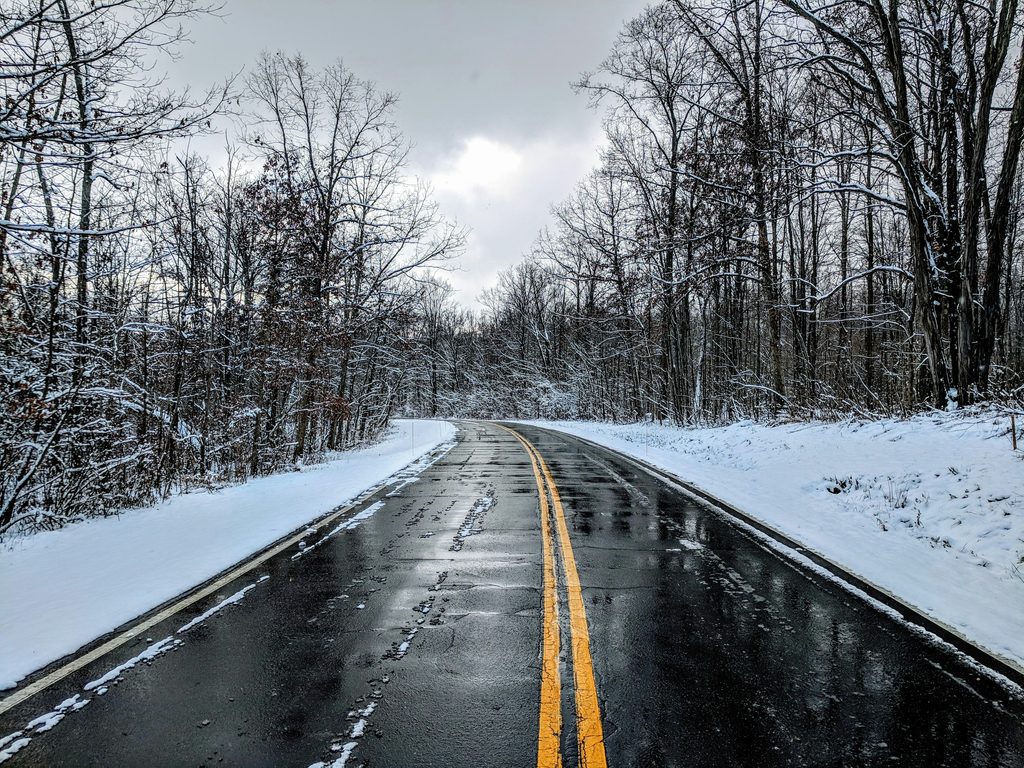
Winter in the Upper Peninsula Is Different
Living in Michigan’s Upper Peninsula comes with a special appreciation for winter. Snow-covered forests, frozen lakes, snowmobiling, skiing, and cozy evenings at home are part of what makes this region unique.
But U.P. residents also know winter is not something to underestimate.
In communities along Lake Superior, lake-effect snow can accumulate quickly. Inland areas can experience bitterly cold temperatures, strong winds, and drifting snow. Rural roads may take longer to clear after major storms, while icy conditions can make even short drives hazardous.
November often marks the transition from fall maintenance to serious winter preparation. One week may bring chilly rain, while the next delivers enough snow to require shovels, snowblowers, and plow trucks.
For homeowners and drivers, that unpredictability makes early preparation essential.
The goal isn’t simply to make it through another U.P. winter. It’s to protect your property, your finances, and the people who depend on you.
1. Get Your Home Ready Before the Snow Piles Up
Your home is one of your largest investments, and Upper Peninsula winters can put it to the test.
Heavy snow loads, ice accumulation, frozen pipes, and heating-related problems are among the seasonal concerns homeowners should address before temperatures drop.
Inspect Your Roof and Gutters
Snow and ice can create significant stress on a home’s roofing system.
When heat escapes through the attic, it may melt snow on the roof. That water can refreeze near the colder roof edges, creating ice dams. As water backs up behind the ice, it may work its way beneath shingles and cause interior damage.
Before winter arrives:
- Inspect your roof for damaged, loose, or missing shingles.
- Clear leaves and debris from gutters and downspouts.
- Look for signs of past leaks or moisture in your attic.
- Check that attic insulation and ventilation are adequate.
- Arrange professional inspections or repairs when necessary.
If your home has experienced ice dams in previous winters, November is a good time to address the underlying causes.
Insurance tip: Homeowners insurance may cover certain sudden and accidental damage caused by ice dams, but coverage depends on the policy, circumstances, exclusions, and maintenance considerations. Preventive roof work and the removal of existing ice dams are generally homeowner responsibilities.
Protect Your Pipes From Freezing
Frozen pipes can become an expensive winter problem.
When water freezes inside a pipe, pressure can build and cause the pipe to rupture. Once temperatures rise and the ice thaws, water may escape and damage walls, flooring, furniture, and personal belongings.
Homes with plumbing along exterior walls, in crawl spaces, or in poorly insulated areas may be especially vulnerable.
To reduce the risk:
- Insulate exposed pipes in vulnerable locations.
- Seal drafts around plumbing penetrations.
- Keep your home consistently heated, even when traveling.
- Disconnect outdoor hoses and winterize exterior faucets.
- Learn where your main water shutoff valve is located.
- Consider water-leak detectors or automatic shutoff devices.
For seasonal cabins and vacation properties, properly winterizing the plumbing is especially important.
Many U.P. families own camps or second homes that may sit empty for weeks during winter. Those properties can face additional risks because a burst pipe or heating failure may go unnoticed.
Insurance tip: Sudden water damage from a burst frozen pipe may be covered under some homeowners policies, but insurers often require reasonable precautions to maintain heat or shut off and drain the water system when a property is unoccupied. Coverage can differ significantly for seasonal homes.
Service Your Heating System
When temperatures drop below zero, a reliable heating system becomes more than a convenience.
Schedule professional maintenance for your furnace, boiler, or other primary heating system before the coldest weather arrives.
Replace dirty furnace filters, inspect accessible vents, and make sure heating equipment is operating properly.
If your home uses a wood stove or fireplace, arrange for appropriate chimney inspection and cleaning.
Wood-burning heat is common in parts of the Upper Peninsula, particularly in rural homes and cabins. While it can provide dependable warmth, it also requires proper installation, maintenance, and safe operation.
Install smoke alarms and carbon monoxide detectors in appropriate locations, test them regularly, and replace batteries or units according to manufacturer recommendations.
If you use a generator during outages, operate it outdoors and well away from windows, doors, and vents. Never run a generator inside a garage or enclosed space.
Prepare for Heavy Snow Around Your Property
Snow removal is a regular part of life in the U.P., but it also creates responsibilities for homeowners.
Before the first major storm, inspect your snowblower, locate shovels, and make arrangements for plowing if necessary.
Pay particular attention to:
- Walkways and steps that may become slippery.
- Driveways and areas used by delivery vehicles.
- Exterior vents that snow accumulation could block.
- Roof areas vulnerable to excessive snow loads.
- Access routes for emergency responders.
If snow or ice accumulates beyond what you can safely manage, consider hiring a qualified professional.
Homeowners should also be mindful of liability risks. A visitor who slips on an icy walkway may suffer an injury, potentially resulting in medical expenses or a liability claim.
Homeowners insurance often includes personal liability coverage, but limits, exclusions, and the specific circumstances of an injury matter.
2. Make Sure Your Vehicle Is Ready for U.P. Roads
Winter driving in the Upper Peninsula requires patience, preparation, and respect for changing conditions.
A trip that seems routine in July can become challenging in January.
Snow-covered highways, drifting snow, black ice, limited visibility, and long stretches between services are all part of winter travel in northern Michigan.
Check Your Tires Before the First Major Snowfall
Your tires are one of the most important components of winter driving safety.
Inspect tread depth, tire pressure, and overall condition before winter weather becomes consistent.
Cold temperatures cause tire pressure to decrease, so check pressures regularly and follow your vehicle manufacturer’s recommendations.
Consider whether dedicated winter tires make sense for your driving habits.
Winter tires are designed to provide improved traction in cold, snowy, and icy conditions compared with many all-season tires.
For drivers commuting between communities such as Marquette and Ishpeming, traveling along US-41, or regularly using rural roads, winter tire performance can be especially valuable.
Even with four-wheel drive or all-wheel drive, appropriate tires remain essential. Those systems can help a vehicle accelerate, but they do not eliminate the risk of sliding or shorten every stopping distance.
Inspect Your Battery, Fluids, and Wipers
Cold weather places additional demands on your vehicle.
A battery that performs adequately during warmer months may struggle when temperatures drop.
Before winter:
- Have your battery and charging system checked.
- Verify that your antifreeze provides adequate freeze protection.
- Use windshield washer fluid rated for freezing temperatures.
- Replace worn windshield wiper blades.
- Inspect your brakes, lights, and defroster.
- Keep your fuel tank sufficiently filled or your electric vehicle appropriately charged for winter conditions.
For electric vehicle owners, cold temperatures can reduce driving range and affect charging performance. Planning ahead becomes especially important when traveling through areas with limited charging infrastructure.
Build a Winter Emergency Kit
Even experienced U.P. drivers can become stranded.
A sudden whiteout, mechanical breakdown, or road closure may leave you waiting for assistance longer than expected.
Your U.P. winter vehicle emergency checklist
0 of 10 items packedResetWarm blankets, hats, gloves, and extra clothingFlashlight and spare batteriesPhone charger or charged power bankIce scraper and snow brushSmall shovel and traction materialJumper cables or a portable jump starterWater and nonperishable snacksFirst-aid kit and essential medicationsReflective warning trianglesBasic supplies for children or pets, if applicable
If you become stranded during a storm, staying with your vehicle is often safer than attempting to walk through severe weather, provided your location is safe. Contact emergency services when needed and follow their guidance.
If running your engine for heat, ensure the exhaust pipe remains completely clear of snow to reduce carbon monoxide risk.
Adjust Your Driving Habits
No amount of vehicle preparation can completely eliminate winter driving hazards.
Slow down when conditions deteriorate, increase following distances, and avoid sudden braking or steering movements.
Be especially cautious on bridges, shaded roads, and stretches exposed to blowing snow.
Before longer trips, check road conditions through the Michigan Department of Transportation and its Mi Drive travel information resources.
A few minutes spent checking conditions can help you avoid an unnecessary risk.
3. Review Your Auto Insurance Before Winter Accidents Happen
Preparing your vehicle mechanically is only half the equation.
Your auto insurance should also be ready for the unexpected.
Winter weather can increase the likelihood of collisions, roadside emergencies, and vehicle damage.
Understanding your policy before something happens can help you make more informed decisions.
Collision Coverage: What Happens If You Slide Into Something?
Imagine driving home after work when you encounter an icy patch of road.
Your vehicle slides off the roadway and strikes a guardrail.
Would your insurance help pay for the damage to your vehicle?
That depends largely on whether you carry collision coverage and the type of collision coverage you selected.
In Michigan, collision coverage is generally optional. The available forms include limited, standard, and broad collision, with different rules governing deductible responsibility and eligibility for payment.
If you have an older vehicle, you may have decided to remove collision coverage to reduce your premium.
That decision may make financial sense in some situations, but it’s important to understand the potential cost of repairing or replacing your vehicle yourself.
Comprehensive Coverage: More Than Just Accidents
Comprehensive coverage, also known as other-than-collision coverage, generally protects against certain types of vehicle damage unrelated to a collision.
Examples may include:
- A tree branch falling onto your parked vehicle.
- Damage from fire, theft, or vandalism.
- Certain weather-related losses.
- A collision with a deer or another animal.
Deer are a familiar concern for Upper Peninsula drivers, particularly during fall and early winter.
Comprehensive coverage can be valuable for drivers who frequently travel wooded roads or park vehicles outdoors.
Keep in mind that comprehensive and collision coverages are separate, and deductibles may apply.
Consider Roadside Assistance and Rental Reimbursement
A dead battery, flat tire, or mechanical breakdown can become a serious inconvenience during a U.P. winter.
Roadside assistance coverage may provide services such as towing, jump-starts, lockout assistance, or tire changes, depending on the plan.
Before relying on it, check the towing distance limits and whether the coverage will meet your needs in rural areas.
Rental reimbursement coverage is another option worth reviewing.
If your vehicle is being repaired following a covered loss, rental reimbursement may help pay for temporary transportation, subject to policy limits and conditions.
It generally does not provide a rental simply because your vehicle breaks down or needs routine maintenance.
For families who rely on one vehicle to commute, get children to school, or reach medical appointments, temporary transportation can be especially important.
4. Does Your Homeowners Insurance Cover Common Winter Problems?
Many homeowners assume their policy covers every type of winter-related damage.
Unfortunately, insurance coverage is rarely that simple.
Policies contain specific covered causes of loss, deductibles, limits, exclusions, and conditions.
A November insurance review gives you an opportunity to identify potential gaps before a winter storm causes damage.
Roof Damage From Snow and Ice
Heavy snow and ice can place considerable weight on roofs, particularly during periods of repeated accumulation or freezing and thawing.
Some homeowners policies provide coverage for certain types of damage caused by the weight of snow or ice.
However, damage related to deterioration, neglected maintenance, or excluded causes may not be covered.
Coverage can also differ for detached structures, such as sheds, garages, and outbuildings.
If you own a pole barn, workshop, or other structure, ask whether it is included under your policy and whether its coverage limit is sufficient.
Ice Dams and Interior Water Damage
Ice dams are a common concern in cold climates.
If water backs up beneath roofing materials and damages ceilings or walls, your policy may respond depending on the cause and terms.
But coverage for resulting interior damage is not necessarily the same as coverage for repairing the roof, removing ice, or correcting inadequate insulation.
Understanding those distinctions can help avoid confusion during a claim.
Frozen Pipes and Water Damage
Water damage is another area where homeowners should pay close attention to policy language.
A sudden pipe burst may be treated differently from gradual seepage, long-term leaks, or water entering through the foundation.
Some water-related losses require additional endorsements or separate coverage.
For example, damage caused by sewer or drain backup is often excluded from standard homeowners coverage unless an appropriate endorsement has been purchased.
Flood damage generally requires separate flood insurance.
Even homes far from major rivers or lakes can experience water-related problems during winter thaws and spring snowmelt.
What About Power Outages?
Winter storms can interrupt electrical service, sometimes for extended periods.
If a power outage causes food in your refrigerator or freezer to spoil, coverage may be available under certain policies or endorsements.
However, coverage is not automatic, and special limits or deductibles may apply.
Damage resulting from frozen plumbing after a prolonged outage may also depend on policy requirements and the precautions taken to maintain heat.
Ask your agent how your coverage addresses power outages, refrigerated food loss, and related damage.
5. Don’t Forget Your Cabin, Camp, or Seasonal Property
For many Upper Peninsula residents, owning a camp is part of the lifestyle.
Whether it’s a hunting camp in the woods, a cabin near a lake, or a seasonal getaway used throughout the year, these properties deserve special attention before winter.
Seasonal properties often have different insurance needs than primary residences.
They may be unoccupied for long periods, heated intermittently, or located far from fire departments and emergency services.
Before closing your camp for winter, consider these precautions:
- Drain and winterize plumbing systems when appropriate.
- Shut off water supplies if the property will be vacant.
- Secure doors, windows, and outbuildings.
- Remove or properly store valuable equipment.
- Check roofs and exterior structures for damage.
- Arrange periodic property inspections when possible.
Most importantly, confirm that your insurance company knows how the property is used.
A property insured as a seasonal residence may have different coverage terms than one insured as a primary home.
Likewise, short-term rentals, extended vacancies, or changes in occupancy can affect coverage eligibility.
If you recently purchased a camp, renovated one, or changed how frequently you use it, November is an excellent time to discuss those changes with your insurance agent.
6. Prepare for Winter Power Outages and Emergencies
Severe winter weather can disrupt everyday life in the Upper Peninsula.
Strong winds, ice accumulation, and heavy snow may damage power lines or make roads temporarily impassable.
In rural areas, restoring service or reaching affected properties can take additional time.
Having an emergency plan helps your household respond more confidently.
Keep Essential Supplies Available
Maintain an emergency supply of drinking water, shelf-stable food, flashlights, batteries, medications, and other necessities.
If you rely on medical equipment requiring electricity, work with your healthcare provider and utility company to develop an appropriate backup plan.
Keep phones charged when severe weather is forecast, and consider a portable power bank.
Families with young children, older adults, or pets may need additional supplies.
Understand Generator Safety
Portable generators can provide temporary power during an outage, but improper operation can create serious hazards.
Generators must be operated outdoors, away from openings into the home.
Never connect a generator directly to household wiring without properly installed transfer equipment.
If you’re considering a permanently installed standby generator, consult a qualified electrician and review any applicable insurance considerations.
Make a Family Communication Plan
During major storms, family members may be at work, school, or traveling between communities.
Decide how you will communicate if cell service becomes unreliable or travel conditions deteriorate.
Identify a backup meeting location, keep emergency contact information accessible, and avoid unnecessary travel during severe weather.
For residents who live alone or have elderly neighbors, a simple check-in arrangement can be especially valuable.
Small-town communities throughout the U.P. have a strong tradition of looking out for one another. Winter preparedness is another opportunity to put that spirit into action.
7. November Is a Smart Time for an Insurance Checkup
Insurance is easy to overlook when everything is going smoothly.
But a policy purchased several years ago may no longer reflect your current property, vehicles, finances, or household needs.
An annual review helps make sure your protection keeps pace with changes in your life.
Has Your Home Changed?
Consider whether you’ve made improvements since your last insurance review.
Have you remodeled a kitchen, finished a basement, added a garage, or installed a wood-burning stove?
Have construction costs increased since your dwelling coverage limit was last evaluated?
Your homeowners insurance should reflect an appropriate estimate of the cost to rebuild your home, not simply its market value or the amount remaining on your mortgage.
A home that would sell for one amount could cost substantially more or less to rebuild, depending on materials, labor, location, and other factors.
In rural areas, rebuilding costs may also be affected by contractor availability, transportation, and seasonal accessibility.
Are Your Deductibles Still Appropriate?
Your deductible is the amount you may be responsible for paying toward a covered loss.
Higher deductibles can sometimes reduce premiums, but they also increase your out-of-pocket expense when a claim occurs.
Review your homeowners and auto deductibles to determine whether they still fit your financial situation.
A deductible that seemed manageable several years ago may feel different today.
Do You Have Enough Liability Protection?
Winter creates additional liability concerns.
Slippery walkways, snow-covered steps, and accidents involving visitors can lead to injury claims.
Review the personal liability limit on your homeowners policy.
You may also want to ask about umbrella insurance, which can provide additional liability protection above certain underlying policies, subject to its terms and requirements.
For households with significant assets, teenage drivers, recreational vehicles, or other exposures, an umbrella policy may be worth discussing.
Ask About Available Discounts
An insurance review is not only about finding gaps.
It’s also an opportunity to explore potential savings.
Depending on your insurer, discounts may be available for bundling home and auto insurance, installing protective devices, maintaining certain safety features, or meeting other eligibility requirements.
Your agent can help determine which discounts apply to your circumstances.
The goal should be finding a balance between affordability and meaningful protection—not simply choosing the lowest premium.
8. Your November Winter Readiness Checklist
With so much to prepare, it’s helpful to break winter readiness into manageable steps.
Winter readiness checklist
Check off each task as you complete it.
Copy
0 of 12 tasks completedClear checks
HomeInspect your roof, gutters, and atticService heating equipmentProtect exposed pipesPrepare snow removal equipment
VehicleInspect tires and batteryCheck fluids, lights, and wipersPack an emergency kit
InsuranceReview homeowners coverage and deductiblesReview collision and comprehensive coverageAsk about roadside assistanceReview seasonal property coverageUpdate your agent about recent changes
Completing these tasks won’t prevent every winter-related problem, but it can help reduce avoidable risks and put you in a stronger position when unexpected events occur.
9. Why Working With a Local Insurance Agent Matters
Insurance needs in the Upper Peninsula can differ from those in other parts of Michigan.
A home near Lake Superior may face different weather exposures than one farther inland. A rural property with several outbuildings may need coverage considerations that aren’t relevant to a typical city residence.
Drivers who regularly travel long distances on two-lane roads may have different concerns than people who primarily drive short distances in town.
And families who own snowmobiles, ATVs, boats, camps, or other recreational property may need specialized protection beyond their home and auto policies.
A local insurance agent understands the questions that matter to U.P. residents.
Rather than assuming every household needs the same coverage, an agent can help you evaluate your property, driving habits, budget, and individual risks.
That personal approach is particularly valuable when you’re trying to understand complicated policy language or make decisions about deductibles and coverage limits.
Insurance isn’t just about having a policy in place. It’s about understanding what that policy is designed to do when you need it most.
Be Ready for Whatever This U.P. Winter Brings
November is a reminder that another Upper Peninsula winter is almost here.
Soon, driveways will need plowing, vehicles will need brushing off, and temperatures may drop well below freezing.
For longtime Yoopers, these routines are familiar. For newer residents, they can take some getting used to.
Either way, preparation makes a difference.
Taking care of your home, maintaining your vehicle, assembling emergency supplies, and reviewing your insurance coverage can help reduce stress when winter weather arrives.
And while no insurance policy can prevent a snowstorm, the right coverage can provide important financial protection when a covered loss occurs.
Before the snow starts piling up, make sure your insurance is ready, too.
Contact our insurance agency today to schedule a personalized home and auto insurance review. We’ll help you understand your current protection, identify potential gaps, explore available options, and provide a quote tailored to your needs.
Whether you’re protecting your family home, your daily driver, or a treasured U.P. camp, we’re here to help you face winter with greater confidence.
Because in the Upper Peninsula, winter preparation isn’t just a seasonal chore—it’s a way of life.