Winter Is Coming: Is Your Small Business Protected Against Seasonal Risks?
Written by Alex Beerling
Article Summary
Winter in Michigan’s Upper Peninsula brings more than picturesque snow-covered streets and freezing temperatures. For local business owners, it also introduces serious risks that can lead to costly property damage, liability claims, and unexpected interruptions to daily operations. From icy sidewalks and frozen pipes to snow removal responsibilities and insurance coverage gaps, preparing for winter is an essential part of protecting your business.
Understanding how your commercial insurance responds to seasonal risks—and taking preventative steps before winter weather arrives—can help your business stay resilient throughout the colder months.
Key Takeaways
- Slip-and-fall accidents: Snow and ice create liability exposures that require proactive maintenance, documentation, and appropriate insurance protection.
- Frozen pipes: Preventative maintenance and understanding commercial property coverage can help reduce the financial impact of water damage.
- Commercial property insurance: Not all winter-related damage is automatically covered, making an annual policy review especially important.
- Business interruption insurance: A covered property loss that forces a temporary closure may also create lost income and continuing expenses.
- Snow removal contracts: Clearly defined responsibilities, adequate insurance, and proper documentation can help prevent costly disputes.
- Winter preparedness: Planning ahead can reduce disruptions, protect employees and customers, and strengthen your business’s long-term stability.
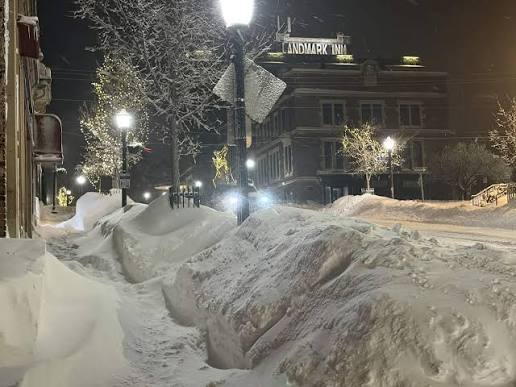
Winter Is Coming: Is Your Small Business Protected Against Seasonal Risks?
For small business owners across Michigan’s Upper Peninsula, winter isn’t simply another season. It’s a reality that shapes how businesses operate for several months of the year.
From the lake-effect snowfalls around Marquette and Munising to the icy conditions that affect communities throughout the Keweenaw Peninsula, winter weather presents challenges that businesses in warmer climates rarely experience.
A restaurant in Ishpeming may need to keep its parking lot and entrance clear during an overnight snowstorm. A retail shop in Negaunee might face frozen plumbing during an extended cold snap. A contractor in Escanaba could experience an unexpected shutdown after heavy snow damages a commercial building.
While these situations may seem like routine winter inconveniences, they can quickly become expensive insurance claims or significant disruptions to business operations.
For many small businesses, the financial consequences of an unexpected winter incident extend far beyond the immediate damage. Lost revenue, emergency repairs, legal expenses, and interruptions to customer service can place additional pressure on already tight operating budgets.
The good news is that preparation can make a meaningful difference.
By understanding common winter exposures, reviewing commercial insurance policies, and implementing preventative measures, Upper Peninsula business owners can take practical steps to protect their investments.
1. Slip-and-Fall Liability: When Snow and Ice Become a Business Risk
One of the most common winter concerns for businesses is the increased risk of customers, employees, or visitors slipping and falling on snow or ice.
Whether you operate a retail store, restaurant, office, or service business, maintaining safe access to your property becomes especially important during the winter months.
In the Upper Peninsula, changing temperatures can make conditions particularly challenging. Snow may melt during the afternoon and refreeze overnight, creating patches of ice that are difficult to identify.
Even a relatively small amount of freezing precipitation can create hazardous conditions around entrances, parking lots, walkways, and loading areas.
Understanding your liability exposure
If someone slips and falls on your business property, the resulting injury could lead to medical expenses, lost wages, or a liability claim.
Commercial general liability insurance may provide protection when a business is legally responsible for a customer’s or visitor’s bodily injury.
Depending on the policy and circumstances, coverage may include legal defense expenses, settlements, or judgments.
However, having liability insurance does not eliminate the need for proper property maintenance.
Michigan premises liability law considers several factors when determining whether a business owner or property possessor may be responsible for an injury. These can include the nature of the hazard, the circumstances surrounding the incident, and whether reasonable care was exercised.
Because liability depends on the specific facts, businesses should not assume that every slip-and-fall accident automatically results in a covered claim or legal responsibility.
Practical steps to reduce slip-and-fall risks
Business owners should establish consistent winter maintenance procedures that include:
- Inspecting sidewalks, entrances, and parking areas regularly.
- Removing accumulated snow promptly.
- Applying appropriate ice-melting products when needed.
- Installing slip-resistant mats near building entrances.
- Maintaining adequate exterior lighting.
- Keeping records of snow removal, salting, and inspections.
- Addressing drainage problems that contribute to recurring ice buildup.
Documentation can be particularly valuable.
For example, a small retail store in Marquette that maintains a written snow and ice removal log may be better positioned to demonstrate its maintenance practices if an accident occurs.
Employee injuries introduce another important consideration. Workers’ compensation insurance, rather than commercial general liability insurance, generally responds to covered work-related employee injuries.
The important takeaway: Preventing winter accidents requires a combination of regular maintenance, clear procedures, and appropriate insurance coverage.
2. Frozen Pipes: A Small Problem That Can Become a Major Expense
Frozen pipes are another serious concern for Upper Peninsula businesses.
When temperatures remain below freezing for extended periods, water inside plumbing systems can freeze and expand. This pressure may cause pipes or fittings to rupture, potentially releasing substantial amounts of water once the ice thaws.
For a small business, the resulting damage can be significant.
Water may damage flooring, walls, inventory, office equipment, electrical systems, and other business property.
In some cases, a burst pipe can force a business to temporarily close while cleanup and repairs are completed.
Does commercial property insurance cover frozen pipes?
Commercial property insurance may cover certain types of sudden and accidental water damage resulting from burst pipes.
However, coverage depends on the policy’s language, exclusions, and the circumstances surrounding the loss.
Some policies contain specific requirements regarding maintaining heat or draining plumbing systems, particularly when buildings are vacant or unoccupied.
For example, if a business closes for several weeks during the winter and the heating system is turned off, a subsequent frozen pipe loss may raise coverage questions.
These requirements are particularly relevant for seasonal businesses, vacant commercial properties, and buildings with limited winter occupancy.
How to protect your business from frozen pipes
Before temperatures drop significantly, consider the following precautions:
Maintain consistent indoor temperatures. Keep sufficient heat in areas containing plumbing, including storage rooms, utility spaces, and less frequently used portions of the building.
Inspect vulnerable plumbing. Pipes near exterior walls, crawl spaces, and poorly insulated areas may be especially susceptible to freezing.
Improve insulation. Proper pipe insulation and weather sealing can help reduce exposure to cold air.
Monitor building temperatures. Temperature monitoring systems can alert owners or managers when indoor conditions become dangerously cold.
Develop an emergency response plan. Employees should know where the main water shutoff valve is located and whom to contact if a pipe bursts.
Check unoccupied buildings regularly. Businesses with seasonal closures or limited staffing should establish a plan for monitoring their properties during extreme cold.
A little preventative maintenance can help avoid expensive repairs and lengthy disruptions.
For businesses operating in older downtown buildings throughout the Upper Peninsula, reviewing plumbing systems before winter can be especially worthwhile.
3. Commercial Property Insurance: Understanding What’s Protected
Commercial property insurance is a foundational component of many small business insurance programs.
It can help protect the physical assets that allow a business to operate, including buildings, equipment, furniture, inventory, and other covered property.
However, winter introduces several exposures that deserve additional attention.
Heavy snow and roof damage
Upper Peninsula businesses are familiar with significant snowfall.
When heavy snow accumulates on commercial roofs, especially during periods of wet snow or repeated storms, the additional weight can place stress on structural components.
In severe situations, this may contribute to roof damage or collapse.
Commercial property policies may cover certain types of damage caused by the weight of snow, ice, or sleet, subject to the specific coverage form and exclusions.
However, the cause of the damage matters. Maintenance issues, deterioration, or other excluded conditions can affect whether a claim is covered.
Business owners should arrange appropriate roof inspections and work with qualified professionals when snow accumulation presents a structural concern.
Ice dams and water intrusion
Ice dams can form when snow melts on a roof and refreezes near the edges, preventing proper drainage.
Water may then back up beneath roofing materials and enter the building.
Depending on the policy and circumstances, resulting damage may or may not be covered.
Commercial building owners should pay particular attention to roof insulation, ventilation, drainage, and existing maintenance issues.
Winter storms and wind damage
Winter storms can also bring strong winds that damage roofing, siding, signs, and other exterior property.
For businesses that rely on outdoor signage or specialized equipment, these losses can create additional expenses.
Commercial property insurance may provide protection for certain wind-related losses, but deductibles, exclusions, and coverage limits should be reviewed.
Is your business property insured for enough?
Another important consideration is whether your policy limits accurately reflect the current cost of replacing damaged property.
Construction expenses, equipment costs, and inventory values can change over time.
A business that purchased its insurance several years ago may discover that its coverage limits no longer adequately reflect replacement costs.
Business owners should also understand whether their policy provides replacement cost or actual cash value coverage.
Replacement cost coverage generally pays based on the cost of replacing covered damaged property without depreciation, subject to policy requirements. Actual cash value coverage generally considers depreciation.
These differences can significantly affect the amount available following a loss.
Before winter arrives, review your building limits, business personal property limits, deductibles, and applicable exclusions with your insurance agent.
4. Business Interruption Insurance: Protecting Your Income When Operations Stop
Physical damage is often only part of the financial impact of a winter-related incident.
Imagine operating a popular restaurant in downtown Marquette.
A frozen pipe bursts overnight, damaging the kitchen and dining area. Repairs require the restaurant to close for several weeks.
Even if commercial property insurance covers the physical damage, the business may still face lost sales and continuing expenses.
Employees may need to be paid, rent or loan payments may continue, and customers may temporarily take their business elsewhere.
This is where business interruption insurance becomes especially important.
What is business interruption insurance?
Business interruption insurance, often called business income coverage, is designed to help replace certain lost income and cover qualifying continuing expenses when business operations are interrupted because of covered physical damage.
Depending on the policy, coverage may include:
- Lost business income during the covered interruption.
- Certain ongoing operating expenses.
- Qualifying payroll expenses.
- Additional expenses necessary to resume operations.
Business interruption coverage is often included in a business owners policy or added to a commercial property insurance program.
However, it generally requires direct physical loss or damage caused by a covered cause of loss.
Not every winter closure is covered
This distinction is particularly important in the Upper Peninsula.
Suppose a major snowstorm closes local roads, preventing customers and employees from reaching your business.
Even if your business loses several days of revenue, a weather-related closure alone generally does not trigger standard business income coverage when there is no qualifying physical damage.
Likewise, a power outage that interrupts operations may not automatically qualify for coverage.
Some insurance policies offer additional protection for certain utility service interruptions, civil authority actions, or other situations, but these coverages often have specific requirements, limits, and waiting periods.
Review your business income coverage before a loss
Business owners should consider several questions:
- How long could the business financially withstand a temporary closure?
- Would the current business income limit adequately reflect lost earnings and continuing expenses?
- Does the policy include extra expense coverage?
- Are there waiting periods before coverage begins?
- How long would it realistically take to repair or replace damaged equipment?
- Are utility service interruptions covered under any applicable endorsement?
For businesses that depend heavily on seasonal revenue, even a relatively short closure can have a lasting financial impact.
A snowmobile rental business, winter tourism operation, or restaurant serving seasonal visitors may have a limited window to generate a substantial portion of its annual income.
Understanding these exposures can help business owners make more informed insurance decisions.
5. Snow Removal Contracts: Who Is Responsible When Something Goes Wrong?
Snow removal is a routine part of doing business in the Upper Peninsula.
Many business owners hire contractors to plow parking lots, clear sidewalks, remove accumulated snow, or apply salt and other ice-control materials.
While outsourcing these responsibilities can be practical, it also introduces contractual and insurance considerations.
A snow removal contract should clearly define responsibilities
A well-written contract should establish what services will be provided and when those services are expected to occur.
Important details may include:
Service triggers: Will the contractor respond after a specific amount of snowfall, on a set schedule, or when contacted?
Areas of responsibility: Does the agreement include parking lots, sidewalks, building entrances, loading docks, and emergency exits?
Ice management: Is salting or sanding included, or does it require a separate request and charge?
Timing: Are services provided before opening hours, during active snowfall, or only after a storm ends?
Documentation: Will the contractor maintain records of service dates, times, and materials applied?
These details matter because misunderstandings can arise after an accident.
For example, a business owner may assume that a contractor is responsible for salting sidewalks, while the contract only requires plowing the parking lot.
That gap could create a significant safety concern.
Verify contractor insurance
Before hiring a snow removal contractor, business owners should request proof of appropriate insurance coverage.
Depending on the contractor’s operations, relevant coverage may include commercial general liability, commercial auto insurance, and workers’ compensation.
A certificate of insurance can provide useful information about a contractor’s coverage, but it does not independently guarantee coverage or modify policy terms.
Business owners should also review any contractual insurance requirements, including additional insured provisions when appropriate.
Understand indemnification provisions
Some snow removal contracts contain indemnification or hold-harmless provisions that address responsibility for certain claims.
These provisions can have important legal and financial consequences.
Michigan law places restrictions on certain indemnification arrangements in construction-related contracts, and the application of those rules to a particular snow removal agreement may depend on the circumstances.
For that reason, business owners should consider having contracts reviewed by a qualified legal professional rather than assuming that hiring a contractor transfers all liability.
Outsourcing does not eliminate every responsibility
Even with a snow removal agreement in place, a business may retain certain responsibilities related to property conditions and visitor safety.
Maintaining communication with contractors, inspecting high-traffic areas, and documenting concerns can help reduce potential disputes.
A clear contract, reliable contractor, and appropriate insurance coverage work together to strengthen a business’s winter risk management strategy.
6. Building a Winter Preparedness Plan for Your Business
Understanding insurance coverage is important, but preventing losses is equally valuable.
Small businesses should develop a practical winter preparedness plan that addresses their property, employees, customers, and operations. This does not need to be a complicated document.
During the winter season
Winter preparedness should remain an ongoing process.
Business owners and managers should monitor weather conditions, maintain communication with snow removal providers, and inspect their properties after significant storms.
Employees should understand how to report hazardous conditions and whom to contact when maintenance issues arise.
For businesses with multiple locations, consistent procedures can help ensure that important tasks are not overlooked.
If a winter-related loss occurs
Even the most prepared business can experience unexpected damage.
If an incident occurs, prioritize safety, contact emergency services when necessary, and take reasonable steps to prevent additional damage without putting anyone at risk.
Document the situation with photographs, preserve relevant records, and notify your insurance agent or carrier promptly.
Avoid discarding damaged property before receiving appropriate guidance, unless necessary for safety or loss mitigation.
Maintaining accurate records of repairs, expenses, and lost revenue may also help support the claims process.
7. Why Local Insurance Guidance Matters in the Upper Peninsula
Operating a business in Michigan’s Upper Peninsula comes with unique challenges.
Our communities are shaped by long winters, rural geography, local tourism, manufacturing, construction, retail, hospitality, and other industries that face different seasonal exposures.
A small downtown retailer has different insurance needs than a logging contractor, restaurant, professional office, or seasonal tourism operation.
Likewise, a business that owns its commercial building may have different responsibilities than one leasing space from a landlord.
Understanding these differences is important when evaluating insurance coverage.
Working with an insurance agency familiar with Upper Peninsula businesses can help owners identify exposures that may otherwise be overlooked.
For example, an insurance review might uncover inadequate building limits, missing equipment coverage, insufficient business income protection, or uncertainty about who is responsible for snow and ice maintenance.
A local insurance professional can also help explain how policy provisions, deductibles, exclusions, and endorsements may apply to specific winter risks.
The goal is not simply to purchase an insurance policy.
It is to develop a protection strategy that reflects how your business actually operates.
Protect Your Business Before Winter Puts It to the Test
Winter weather is part of life in Michigan’s Upper Peninsula, but unexpected financial losses don’t have to be accepted as inevitable.
From icy sidewalks and frozen pipes to heavy snowfall and temporary business closures, seasonal risks can affect nearly every type of small business.
Taking time to review insurance coverage, evaluate maintenance procedures, and clarify contractor responsibilities can help reduce uncertainty before a loss occurs.
For small business owners, preparation is about more than protecting a building or replacing damaged equipment. It’s about protecting employees, customers, income, and the long-term future of the business.
Before winter weather creates an unexpected challenge, make sure your business has the protection it needs.
Contact our insurance agency today to schedule a commercial insurance review. We can help you evaluate your current coverage, identify potential gaps, and explore insurance options tailored to your business.
Whether you operate a storefront, restaurant, office, contracting business, or seasonal operation, we’re here to help you navigate the risks of doing business in the Upper Peninsula.
Don’t wait until the next winter storm to find out where your coverage stands. Reach out today for personalized guidance or a commercial insurance quote.