E-Bikes and Liability Risks: What Every Parent Should Know Before Their Child Gets Behind the Handlebars
Author: Shelly Malay
Summary
E-bikes have become one of the most popular modes of transportation for teenagers and young adults, offering freedom, convenience, and fun. However, many parents don’t realize that owning an e-bike also comes with potential liability risks that could have significant financial consequences. While homeowners insurance may provide some liability protection in certain situations, coverage for the e-bike itself—and even some liability scenarios—there are some limitations. Understanding these gaps and exploring available insurance options can help protect your family from unexpected expenses.
Key Takeaways
- E-bikes are faster and heavier than traditional bicycles, increasing the risk of serious accidents.
- Parents may be held financially responsible if their child causes injuries or property damage while riding.
- Homeowners insurance may provide some personal liability coverage but often has limitations.
- Physical damage, theft, and certain liability situations may not be covered under a standard homeowners policy.
- Specialty e-bike insurance and endorsements can help fill important coverage gaps.
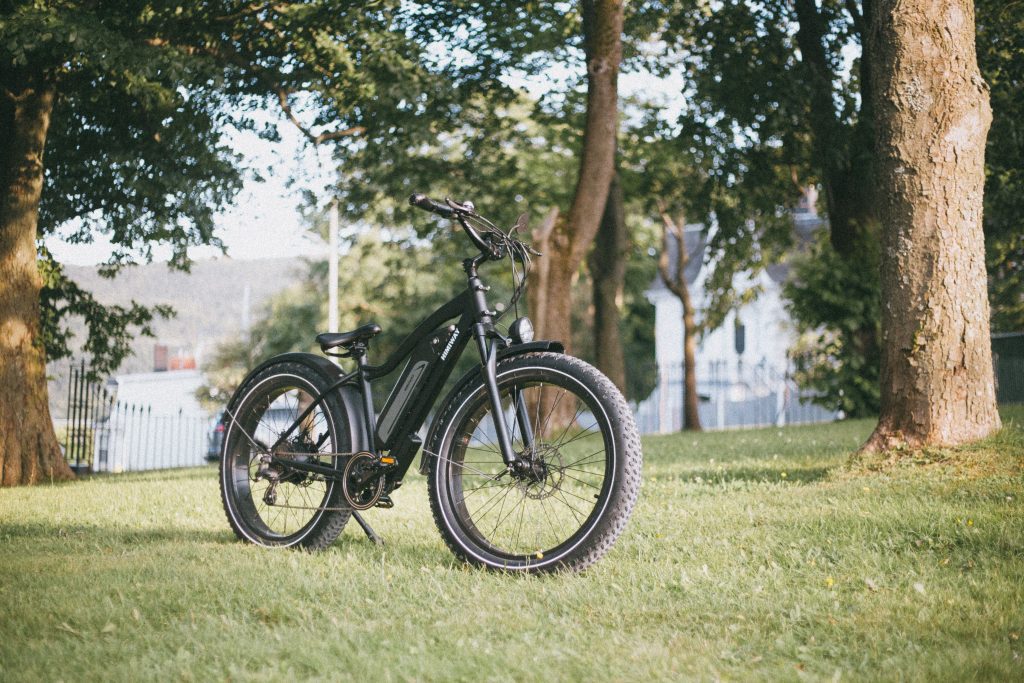
The Growing Popularity of E-Bikes
Electric bicycles, commonly known as e-bikes, have exploded in popularity over the past few years. They’re an attractive option for teenagers who want greater independence and for parents looking for an affordable transportation alternative to a car.
Whether it’s riding to school, heading to work, visiting friends, or exploring local trails throughout Michigan’s Upper Peninsula, e-bikes have become a common sight in many communities.
But unlike the bicycles many parents grew up riding, today’s e-bikes are capable of much higher speeds and often weigh significantly more than traditional bikes. That extra speed and weight can increase the severity of accidents, making insurance considerations more important than ever.
Why Parents Should Be Concerned About Liability
One of the biggest misconceptions is that an e-bike is “just a bicycle.” From an insurance standpoint, that’s not always the case.
Imagine your teenager is riding through a neighborhood and accidentally collides with a pedestrian. The injured person suffers a broken arm and requires surgery.
Or perhaps your child loses control on a trail and crashes into another rider, damaging an expensive mountain bike.
In another situation, your teen accidentally rides into a parked vehicle or even worse, collides with a moving vehicle in the roadway, causing thousands of dollars in repairs.
In each of these examples, someone could seek compensation for:
- Medical expenses
- Lost wages
- Pain and suffering
- Property damage
- Legal expenses
If your child is legally responsible, parents may also find themselves financially responsible depending on the circumstances.
Understanding What Homeowners Insurance May Cover
Many homeowners insurance policies include personal liability protection. This coverage may help if a family member accidentally causes bodily injury or property damage to someone else.
However, there are several important limitations.
Coverage depends on the facts of the accident, the specific policy language, and even how the e-bike is classified. Not every policy treats every e-bike the same way.
Questions that often affect coverage include:
- How fast can the e-bike go?
- What is the motor’s power?
- Does the bike require registration under state law?
- Is it considered a bicycle or a motor vehicle under the insurance policy?
These details matter because many insurance policies exclude liability arising from certain motorized vehicles.
The Gaps Many Families Don’t Realize Exist
Even if liability coverage applies, homeowners insurance generally is not designed to fully insure an expensive e-bike.
Potential coverage gaps may include:
Theft
E-bikes often cost between $1,500 and $6,000 or more.
While homeowners insurance may provide limited coverage for personal property, deductibles and policy limits can leave families paying a significant amount out of pocket.
Crash Damage
If your child crashes into a tree or wipes out on a gravel road, repairs to the e-bike itself may not be covered.
Replacing batteries, electric motors, and specialized components can be surprisingly expensive.
Accessory Coverage
Many riders purchase:
- Helmets
- Locks
- Phone mounts
- Cargo racks
- Saddlebags
- Upgraded batteries
Without proper insurance, these accessories may have limited protection.
Transportation Coverage
If the e-bike is damaged while being transported on a vehicle rack or trailer, coverage can vary depending on how the loss occurred.
Why This Matters in Michigan’s Upper Peninsula
Living in the UP presents unique risks that many national insurance articles overlook.
Our communities often feature:
- Recreational trail systems.
- Spring potholes that create hazards.
- Wildlife crossings that can surprise riders.
Many families also transport their e-bikes to campgrounds, vacation cabins, or trailheads throughout the region. That means theft, transportation damage, and liability exposures can occur far from home.
While e-bikes provide an excellent way to enjoy the outdoors during our warmer months, they also deserve the same careful risk management as many other valuable recreational items.
What About Medical Bills for Your Child?
Another common misunderstanding is assuming that insurance automatically pays for injuries to the rider.
In reality, medical expenses for your child may depend on several different policies, including your health insurance. Some specialized e-bike policies may also offer optional medical payments or accident benefits.
It’s worth reviewing all of your coverage so you understand who pays first and where gaps may exist.
Insurance Options That Can Help Fill the Gaps
Fortunately, families have several options worth discussing with their insurance professional.
Specialty E-Bike Insurance
Several insurers now offer policies specifically designed for electric bicycles.
Depending on the company and policy, coverage may include:
- Theft
- Accidental damage
- Vandalism
- Fire
- Flood
- Crash protection
- Roadside assistance
- Replacement cost coverage
- Rental reimbursement while repairs are made
- Liability protection
- Medical payments
Coverage varies by insurer, so it’s important to compare options carefully.
Keeping a claim off your home policy is another huge advantage to having a separate bike policy.
Scheduled Personal Property Coverage
Some insurance companies allow valuable items to be specifically scheduled or listed on a policy.
Depending on the insurer, this may provide broader protection than standard personal property coverage.
Umbrella Liability Insurance
For families with significant assets, an umbrella policy can provide additional liability protection above the limits of homeowners and auto insurance.
If a serious accident results in a lawsuit, this extra layer of protection can be invaluable.
Reviewing Your Existing Policies
A conversation with your insurance agent may reveal endorsement options or policy changes that better fit your family’s needs.
Safety Still Comes First
Insurance is only one part of protecting your family.
Parents should also establish clear expectations for young riders.
Consider discussing:
- Always wearing a properly fitted helmet.
- Following traffic laws and staying off the roads if they do not know the traffic laws.
- Avoiding distracted riding.
- Respecting speed limits on shared trails.
- Riding only where e-bikes are permitted.
- Avoiding passengers unless the bike is designed for them.
- Staying visible with lights and reflective gear.
The safest ride is one that never results in a claim.
Questions Every Parent Should Ask
If your child owns an e-bike, consider asking:
- Does my homeowners policy provide liability coverage for this type of e-bike?
- Is theft covered?
- Is accidental damage covered?
- What deductible applies?
- Are accessories insured?
- Are there speed or motor limitations?
- Would an umbrella policy be appropriate?
- Is specialty e-bike insurance available?
Knowing the answers before an accident occurs can save considerable stress later.
Final Thoughts
E-bikes are here to stay, and for many families they provide an enjoyable, practical way for kids and teens to get around. They encourage outdoor activity, independence, and can even reduce transportation costs. But they also introduce new risks that many insurance policies weren’t originally designed to address.
As e-bike technology continues to evolve, so do the insurance questions surrounding ownership and liability. Taking a few minutes to review your existing coverage today can help prevent costly surprises tomorrow.
Whether your child rides around the neighborhood, commutes to work, or spends weekends exploring the beautiful trails and backroads of Michigan’s Upper Peninsula, making sure you have the right protection in place is just as important as making sure they wear a helmet.
Before the next ride, consider having a conversation with your insurance agent about your family’s current coverage. A policy review can identify potential gaps, explain what protections you already have, and help determine whether additional coverage—such as specialty e-bike insurance or increased liability protection—is appropriate for your situation. Having the right insurance in place allows your family to enjoy the freedom of e-bike ownership with greater confidence and peace of mind.