Fall Is Coming: 7 Insurance and Home Maintenance Checks U.P. Homeowners Should Make Before the First Freeze
By Jessica Nancarrow
Summary
Late August in Michigan’s Upper Peninsula can still feel like summer, but fall—and the first freezing temperatures—can arrive sooner than many homeowners expect. Taking a little time now to inspect your home, address maintenance concerns, and review your insurance coverage can help you avoid unpleasant surprises when colder weather settles in.
From checking your roof and gutters to preparing your heating system and protecting your pipes, a fall home checkup is especially important in the U.P., where heavy snow, ice, wind, freezing temperatures, and power outages are simply part of life.
Key Takeaways
- Inspect your roof, gutters, and exterior before cold weather makes repairs more difficult.
- Have furnaces, boilers, fireplaces, chimneys, and wood-burning systems checked before heating season.
- Protect plumbing from freezing, especially in camps, seasonal homes, garages, and other less-heated spaces.
- Look for trees and branches that could threaten your home, garage, vehicles, or power lines during fall and winter storms.
- Prepare for power outages and make sure generators and other backup systems are ready to operate safely.
- Update your home inventory so you have an accurate record of your belongings.
- Review your homeowners insurance before winter to make sure your coverage still reflects your home, property, and needs.
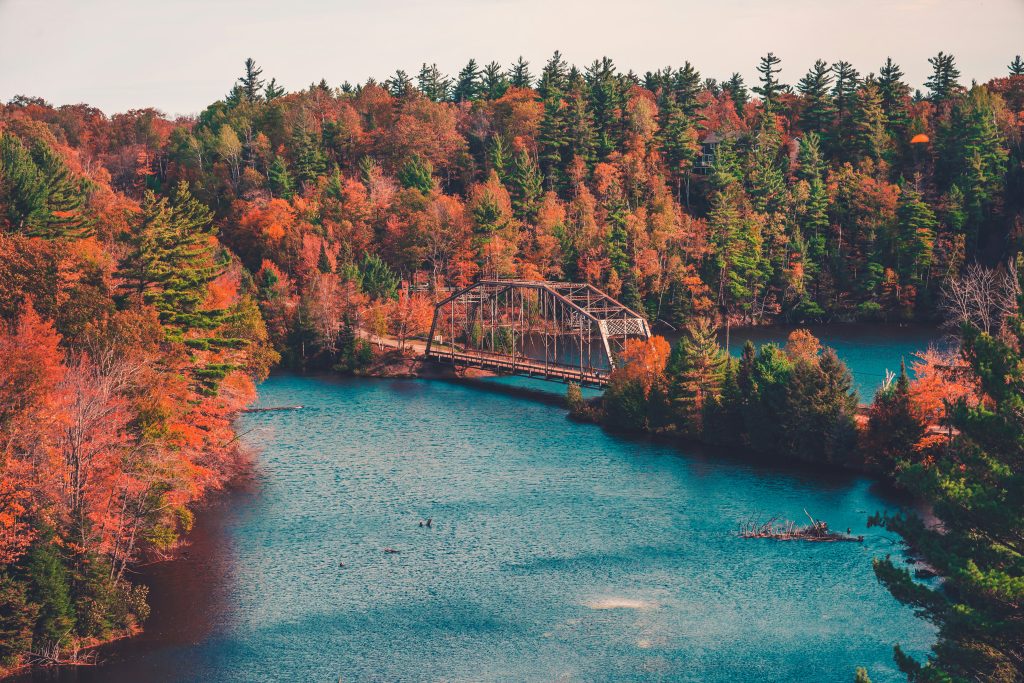
In the U.P., Fall Preparation Starts Earlier Than You Think
Late August in the Upper Peninsula has a way of convincing us that summer will stick around a little longer.
There are still warm afternoons, weekends at camp, days on the lake, backyard projects, and plenty of reasons to put thoughts of snow shovels and frozen pipes out of mind.
But every Yooper knows how quickly the seasons can turn.
Cool nights begin creeping in. Leaves start changing. Furnaces kick on for the first time in months. Before long, we’re thinking about frost, freezing temperatures, lake-effect snow, icy driveways, and everything else that comes with another U.P. winter.
That’s why late summer and early fall are ideal times to give your home an annual checkup.
Preventive maintenance can reduce the likelihood of certain losses, while an insurance review can help you understand how your policy may respond if something does happen. The two go hand in hand.
Here are seven things U.P. homeowners should consider checking before the first freeze.
1. Inspect Your Roof, Gutters, and Home Exterior
Your roof is one of your home’s primary defenses against Upper Peninsula weather, and it has a demanding job ahead of it.
Before snow and ice arrive, take a look for visible signs of deterioration or damage. Depending on your home, that might include missing or damaged shingles, loose flashing, damaged metal roofing, deteriorated seals, or areas where water appears to be getting inside.
If you’re not comfortable inspecting the roof yourself, consider having a qualified professional take a look. Climbing onto a roof can be dangerous, especially when surfaces are wet or steep.
Don’t forget about the gutters.
Leaves, pine needles, twigs, and other debris can interfere with drainage. When water can’t move away from the house properly, it may create problems around the roofline, siding, foundation, or walkways. Once freezing temperatures arrive, standing water can become ice and add another layer of trouble.
Walk around the rest of the house as well. Look at siding, windows, doors, exterior caulking, decks, steps, and railings.
Small maintenance issues discovered in August or September are generally easier to address than when there’s a foot of snow on the ground.
An insurance reminder
Homeowners insurance is intended to protect against covered losses, but it isn’t a substitute for routine maintenance. Damage resulting from gradual deterioration, wear and tear, or neglected maintenance may be treated differently from sudden accidental damage.
That’s one reason prevention matters.
2. Get Your Heating Systems Ready
For U.P. homeowners, the heating system isn’t just about comfort. During the coldest part of winter, it’s essential to keeping the home—and its plumbing—protected.
Whether you heat with natural gas, propane, fuel oil, electricity, wood, pellets, or a combination of systems, late summer is a good time to make sure everything is ready.
Consider scheduling routine service for your furnace or boiler before the busy heating season begins. Replace filters where appropriate and make sure vents and registers aren’t obstructed.
If your home has a fireplace, wood stove, or other wood-burning appliance, chimney and venting maintenance should also be part of your fall routine. Creosote and other buildup can create serious fire hazards.
Many U.P. homeowners rely heavily on wood heat, whether as their primary source or as supplemental heat during cold stretches. Have the chimney and system inspected and cleaned as appropriate, and check the area around the stove for combustible materials.
This is also an excellent time to test smoke alarms and carbon monoxide alarms and replace batteries when needed.
Don’t forget garages and outbuildings
If you have a heated garage, workshop, pole building, or other structure, inspect those heating systems too.
And if you’ve added a heating appliance since your last insurance review, mention it to your insurance agent. Changes to heating systems, renovations, additions, or other significant property updates can be important when reviewing coverage.
3. Protect Your Pipes Before Freezing Temperatures Arrive
Few household problems can turn into a major mess as quickly as a frozen pipe.
Water expands when it freezes, which can put tremendous pressure on plumbing. A damaged pipe may not become obvious until temperatures warm up and water begins flowing again.
In the U.P., particular attention should be given to plumbing located in crawl spaces, basements, exterior walls, garages, additions, and other areas where temperatures may drop significantly.
Check exposed plumbing and make sure vulnerable areas are appropriately insulated. Disconnect outdoor hoses and prepare exterior faucets for freezing weather as appropriate for your home.
Pay special attention if you own a camp or seasonal residence.
Camps and seasonal properties require extra planning
Closing up camp is practically a fall tradition across the Upper Peninsula, but insurance and maintenance considerations shouldn’t be overlooked.
A property that sits empty for long periods faces different risks than a primary residence occupied every day.
If you’re shutting down a seasonal home or camp, consider whether the plumbing should be winterized. Make sure someone knows how to shut off the water supply, and consider having the property checked periodically while you’re away.
It’s also worth discussing seasonal occupancy with your insurance agent. Policy terms and coverage can differ depending on the property and how it is used.
Don’t assume that insurance for your primary residence and insurance for a seasonal camp work exactly the same way.
4. Look Up: Check Trees and Branches Around Your Property
Trees are part of what makes living in the Upper Peninsula beautiful.
They’re also something homeowners should pay attention to before fall and winter storms.
Walk around your property and look for dead, damaged, leaning, or weakened trees and branches. Pay particular attention to anything hanging over your home, garage, shed, driveway, or other structures.
Heavy snow, ice, and strong winds can put significant stress on already weakened trees.
If you spot something concerning, consider contacting a qualified tree professional rather than attempting risky tree work yourself.
Also think about where you normally park vehicles during storms. If a questionable tree or large limb hangs over your usual parking spot, addressing the issue before winter could save you a headache later.
What happens if a tree falls?
Insurance coverage involving fallen trees can depend on the circumstances, what caused the tree to fall, what was damaged, the specific policy, and other factors.
Rather than assuming every tree-related incident is covered the same way, ask your agent how your policy generally handles situations such as wind-damaged trees, damage to structures, debris removal, and damage to vehicles.
Remember that damage to an automobile is typically handled through auto insurance rather than homeowners insurance, depending on the circumstances and coverage carried.
5. Prepare for U.P. Power Outages
Power outages aren’t unusual in the Upper Peninsula, especially when high winds, heavy snow, ice, or falling trees affect electrical lines.
A short outage can be inconvenient. A prolonged winter outage can become much more serious.
Before colder weather arrives, check flashlights, batteries, portable chargers, emergency supplies, and other items your household relies on when the electricity goes out.
If you own a generator, don’t wait for the first major storm to discover that it won’t start.
Follow the manufacturer’s maintenance recommendations and make sure household members who may need to use it understand safe operation.
Generators should always be operated according to manufacturer instructions and never in a way that creates a carbon monoxide hazard. Improper generator use can be extremely dangerous.
If you’ve installed a permanent standby generator or made significant electrical upgrades to your home, those improvements are worth mentioning during your insurance review.
Think beyond electricity
Consider what stops working when your power goes out.
For some homeowners, that could include a well pump. For others, it could affect heating equipment, sump pumps, refrigeration, internet and communications, or other essential systems.
Knowing your home’s vulnerabilities makes it easier to build an emergency plan that fits your household rather than relying on a generic checklist.
6. Update Your Home Inventory
If you had to list everything you own tomorrow, how much could you remember?
Most people could name the big items: televisions, appliances, computers, furniture, tools, maybe some jewelry.
But what about everything else?
Think about what’s stored in your kitchen cabinets, closets, garage, basement, workshop, and outbuildings. The value of everyday belongings can add up faster than homeowners realize.
A home inventory can make it much easier to document your belongings following a covered loss.
Fortunately, creating one doesn’t have to be complicated.
One simple method is to walk through your home with your phone and take photos or video of each room. Open closets and cabinets where appropriate. Capture major items, model numbers, serial numbers, and receipts for higher-value purchases when available.
Pay particular attention to items such as:
- Jewelry and collectibles
- Firearms and sporting equipment
- Tools and shop equipment
- Computers and electronics
- Musical instruments
- Artwork
- Outdoor recreation equipment
- Other high-value personal property
Some categories of property may be subject to special policy limits or conditions. If you own particularly valuable items, ask your agent whether your existing coverage is appropriate.
Keep your inventory somewhere it won’t disappear with the house. Secure cloud storage or another safe location can be useful.
Late summer is a convenient time to update the inventory, particularly if you’ve made major purchases or home improvements during the year.
7. Schedule an Insurance Review Before Winter
The final check doesn’t require a ladder, toolbox, or furnace filter.
It requires your insurance policy.
Insurance is easy to put on autopilot. You buy a home, establish coverage, pay the premium, receive renewal documents, and move on with life.
Meanwhile, life keeps changing.
Maybe you remodeled the kitchen. Finished the basement. Built a garage. Added a deck. Installed a wood stove. Purchased expensive tools. Added a generator. Started using part of your home for a business. Bought recreational equipment. Or made other changes to the property.
Your insurance coverage should be reviewed periodically to make sure it still reflects your circumstances.
Questions worth asking
During a homeowners insurance review, consider asking your agent about your dwelling coverage, personal property coverage, liability limits, deductibles, detached structures, water-related losses, backup of sewer or drains, and other endorsements that may be relevant to your home.
You can also ask how your policy addresses common winter scenarios.
For example:
What happens if a winter storm damages the roof?
What if a tree falls on the garage?
What if a pipe freezes and bursts?
What if heavy snow or ice damages part of the home?
What if water backs up through a drain?
What if a prolonged power outage contributes to another loss?
The answers aren’t necessarily identical from one policy to another.
That’s why reading your policy and talking with your insurance professional is more useful than relying on something a neighbor, friend, or social media post says is “always covered.”
Maintenance and Insurance Work Best Together
There’s an important distinction between maintaining your property and insuring it.
Insurance helps protect you financially against covered losses. Maintenance helps reduce the chances of certain problems occurring in the first place.
You need both.
A homeowners policy can’t prevent a branch from falling, keep a furnace running, clean a chimney, or stop leaves from clogging a gutter. At the same time, even a well-maintained home can suffer unexpected damage from severe weather, fire, wind, or another covered event.
For U.P. homeowners, preparing for fall is about creating layers of protection.
Inspect what you can. Repair small problems before they become larger ones. Prepare for outages. Protect vulnerable plumbing. Keep records of what you own. Then make sure you understand the insurance coverage you have in place.
Don’t Wait for the First Snowflake
There’s something distinctly Upper Peninsula about squeezing every last bit out of summer while knowing that the snowblower is waiting patiently in the garage.
We don’t need to rush winter along.
But we can be ready for it.
A few hours spent preparing your home in late August or early fall could help you identify problems while there’s still time to address them. Just as importantly, reviewing your homeowners insurance now gives you an opportunity to ask questions before you’re dealing with a loss.
Every home is different, and so is every insurance policy. If it’s been a while since you’ve reviewed your homeowners coverage—or if you’ve made changes to your home or property—contact our insurance agency today. We’d be happy to walk through your current coverage, answer your questions, discuss the risks that come with owning a home in Michigan’s Upper Peninsula, and help you explore insurance options that fit your needs.
A little preparation now can go a long way when the temperatures drop.