Is Wildfire Smoke Affecting the Upper Peninsula Becoming More Common?
What Every U.P. Resident Should Know About Protecting Their Health, Home, and Family
Author: Ryan Nummela
Summary
Many residents across Michigan’s Upper Peninsula woke up to an unsettling sight this week. What looked like a thick morning fog was actually dense wildfire smoke drifting across Lake Superior. Ash coated vehicles, homes, and windows, the smell of smoke lingered in the air, and many people noticed they could actually taste the smoke with every breath.
While these events may seem unusual, they’re becoming increasingly familiar across the Upper Peninsula. Understanding why wildfire smoke reaches our communities—and knowing how to protect your family and home—can help reduce health risks and prepare you for future smoke events.
Key Takeaways
- Wildfire smoke is becoming more common across the Upper Peninsula.
- Smoke from Canadian wildfires can travel hundreds or even thousands of miles.
- Stay indoors and keep windows closed when air quality is poor.
- Replace HVAC and furnace filters after heavy smoke events.
- Clean ash carefully to avoid damaging vehicles and siding.
- Check on vulnerable family members and pets.
- Review your homeowners insurance if you have questions about smoke-related damage.
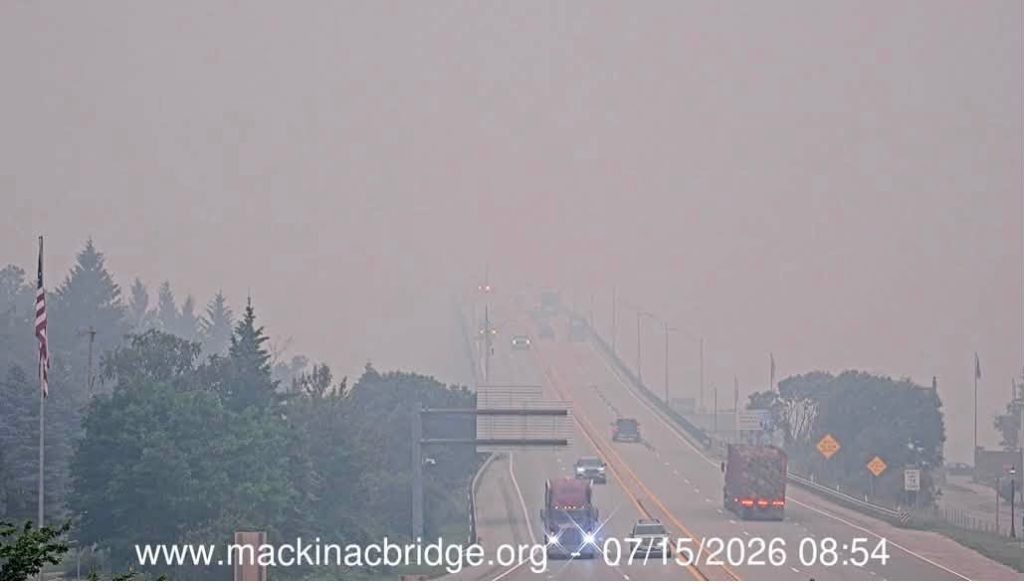
A Morning Many Yoopers Won’t Forget
Across the Upper Peninsula, residents woke to skies that looked more like a November fog than a summer morning. Dense smoke rolled across Lake Superior, reducing visibility and leaving a layer of ash on vehicles, siding, decks, and windows.
Many people reported the smell of smoke inside their homes, while others noticed a lingering smoky taste simply from breathing the outdoor air.
Unlike a passing rainstorm, wildfire smoke affects nearly every part of daily life. It impacts our health, indoor air quality, heating and cooling systems, outdoor activities, and even our vehicles.
Is Wildfire Smoke Becoming More Common?
For many longtime Yoopers, the answer certainly feels like yes.
Large wildfires in Canada have become more frequent and more intense in recent years. Provinces such as Ontario, Manitoba, Saskatchewan, Alberta, and British Columbia have experienced record-breaking wildfire seasons, producing enormous amounts of smoke.
Because the Upper Peninsula sits just south of Lake Superior, weather systems often carry that smoke directly into our region. Depending on wind direction and atmospheric conditions, smoke can settle over communities like Marquette, Negaunee, Ishpeming, Munising, Escanaba, Houghton, and many others.
Warm, dry weather in many parts of North America has also contributed to longer wildfire seasons. While no single fire has one cause, experts generally agree that larger and longer-lasting fires have increased the likelihood that smoke will travel long distances and affect communities far from the flames themselves.
Why Wildfire Smoke Is Dangerous
Wildfire smoke contains tiny particles known as PM2.5. These microscopic particles are small enough to travel deep into your lungs and may even enter your bloodstream.
Exposure can cause:
- Burning eyes
- Sore throat
- Coughing
- Headaches
- Shortness of breath
- Chest discomfort
Children, older adults, pregnant women, and anyone with asthma, COPD, or heart disease are especially vulnerable, but even healthy adults may experience symptoms during periods of heavy smoke.
How to Protect Yourself During Heavy Smoke
When air quality reaches unhealthy levels:
- Stay indoors whenever possible.
- Keep windows and doors closed.
- Run your central air conditioner on recirculate, if available.
- Avoid strenuous outdoor activities like mowing, running, or yard work.
- If you must be outdoors for extended periods, consider wearing a properly fitted N95 respirator.
- Monitor air quality using trusted resources such as AirNow.gov or the National Weather Service in Marquette before spending time outside.
Protect Your Home
Wildfire smoke doesn’t stop at your front door. Fine particles can enter through small gaps around windows and doors or circulate through your HVAC system.
After a heavy smoke event:
- Inspect your furnace or HVAC filter.
- Replace dirty filters sooner than your normal schedule.
- Vacuum with a HEPA-equipped vacuum if possible.
- Damp dust hard surfaces instead of dry dusting.
- Open windows to ventilate your home only after outdoor air quality has improved.
A clean filter helps your heating and cooling system operate efficiently while improving indoor air quality.
Cleaning Ash the Right Way
Ash may look soft, but it can scratch painted surfaces if cleaned improperly.
Before washing your vehicle:
- Rinse away loose ash with water.
- Wash using automotive soap and a microfiber mitt.
- Avoid wiping dry ash across the paint.
The same approach works for windows, siding, and outdoor furniture. Rinse first, then clean gently to avoid grinding abrasive particles into finished surfaces.
Don’t Forget Your Pets
Pets are affected by wildfire smoke just like people.
Keep pets indoors as much as possible during heavy smoke events, provide plenty of fresh water, and watch for coughing, excessive panting, watery eyes, or unusual fatigue.
Livestock owners should also ensure animals have access to clean water and monitor them for respiratory problems.
Prepare Before the Next Smoke Event
Wildfire smoke may become another seasonal reality for Upper Peninsula residents, making preparation just as important as it is for winter storms.
Consider keeping these items on hand:
- Replacement furnace filters
- HEPA air purifier filters
- N95 respirators
- Bottled water
- Flashlights
- Extra medications for anyone with respiratory conditions
A little preparation today can make the next smoke event much easier to manage.
Does Insurance Cover Smoke Damage?
Many homeowners wonder whether smoke or ash damage is covered by insurance.
The answer depends on the cause of the damage and the terms of your specific policy. While some smoke-related losses may be covered, routine maintenance—such as replacing HVAC filters or cleaning ash from your home—is generally considered part of normal homeownership.
If you notice unusual staining, lingering smoke odors that require professional remediation, or other unexpected damage, document the condition with photographs before cleaning and contact your insurance agent to discuss your situation.
Looking Ahead
Wildfire smoke has become another reminder that life in the Upper Peninsula is constantly shaped by the forces of nature. Just as we prepare for lake-effect snow, ice storms, and spring flooding, it’s wise to prepare for periods of poor air quality as well.
By staying informed, monitoring air quality, protecting your indoor environment, and taking simple precautions, you can reduce health risks and protect your home until clear skies return.
If you have questions about your homeowners insurance or would like to review your current coverage, contact The Elder Agency. We’re proud to serve families and businesses throughout Michigan’s Upper Peninsula and are here to help you prepare for whatever the next season brings.